If you have wondered which option truly belongs on your list of best depilation methods, you are not alone. Between razors, creams, waxes, sugar pastes, epilators, threading, and salon devices, it can be hard to match your skin, hair type, budget, and time constraints to the right approach. This practical, safety‑first guide lays out clear comparisons, realistic expectations, and step‑by‑step routines, so you can choose confidently and care for your skin before and after each session.
What depilation means and how it differs from other approaches
Depilation refers to removing the part of the hair that sits above the skin’s surface. Common examples include shaving, depilatory creams, trimming, and scraping devices designed for the top of the skin. In contrast, epilation removes hair from the root (for example, waxing, sugaring, tweezing, and electric epilators). Laser and light devices aim to reduce visible regrowth over time by acting on pigment in the follicle. Understanding this vocabulary helps you set expectations: depilation methods tend to be quick and budget‑friendly with short intervals between sessions, while epilation methods can lead to longer gaps between sessions because the hair must rebuild from the root.
Before you start any new method, do a small‑area patch check for sensitivity, read the manufacturer’s directions from start to finish, and plan your session when you have time for calm, unhurried aftercare. If you have a skin condition, are using active skincare (such as exfoliating acids or retinoids), or have recently had cosmetic procedures, get personalized guidance from a licensed professional about timing and product choices.
best depilation methods compared: a quick snapshot
Here is a high‑level comparison to help you narrow your short list. The detailed sections that follow include technique, care routines, typical costs, and maintenance.
- Shaving: Fast, low cost, great for large areas; needs frequent repeats; careful technique lowers chances of nicks and irritation.
- Cream depilatories: Dissolve hair above the skin; smooth feel for days; require precise timing and patch checks for sensitivity.
- Waxing: Removes from the root; smoother feel for weeks; can be done at home or by a pro; needs hair at the right length.
- Sugaring: Similar to waxing with a paste of sugar, water, and lemon; many people find cleanup easier; technique matters.
- Threading and trimming: Precision options for brows, upper lip, ears, and body hair shaping without chemicals.
- Epilators: Electric tweezing heads remove hair at the root; longer intervals between sessions; practice improves comfort.
- Long‑term salon/home devices: Laser/IPL for hair reduction; typically a series of sessions; professional consultation recommended.
If you want more background before choosing, our depilation guides collect practical tutorials and maintenance tips in one place.
Shaving: speed, technique, and ways to care for skin
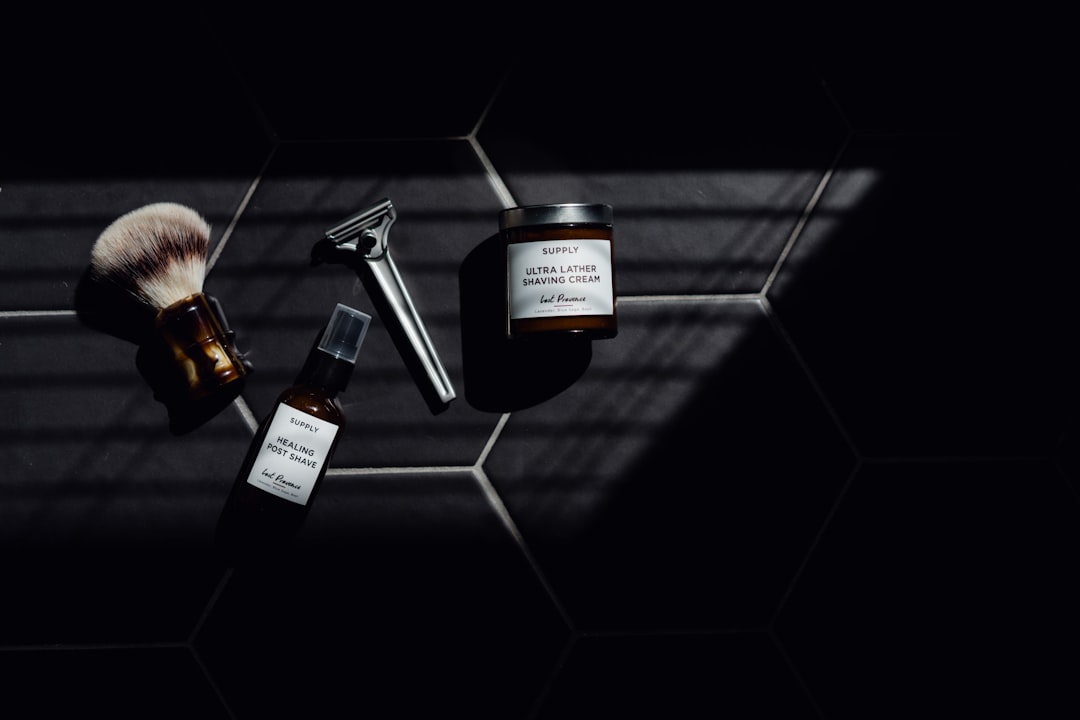
Shaving remains the fastest way to remove visible hair for a short period. It works by cutting hair flush with the skin surface. Many people prefer shaving for legs, underarms, and bikini line touch‑ups because it is inexpensive, accessible, and easy to fit into a morning routine. The trade‑off is frequent upkeep and the need for careful technique.
Build a reliable, low‑irritation routine:
- Hydrate first: A warm shower or a long, damp towel compress softens hair and makes it easier for blades to glide.
- Use a cushioning medium: Choose a shave gel, cream, or conditioning bar that provides slip. Avoid bar soap on its own; it may dry the skin and reduce glide.
- Fresh blades: Replace cartridges regularly or sharpen safety‑razor technique. Dull blades tug and can raise the chance of micro‑cuts.
- Light pressure, short strokes: Shave in the direction of hair growth first. If you choose a second pass, re‑lather, then take gentle, short strokes.
- Rinse, pat dry, and moisturize: An unscented, alcohol‑free lotion or gel calms the feel of the skin. Mineral‑free lightweight oils can add slip on areas prone to friction.
Many people ask about the myth that shaving causes hair to come back thicker or darker. What you see is the blunt tip of a cut hair, which can feel different as it grows out. The overall density is unchanged. To lower the chance of bumps, build in a gentle exfoliation habit on non‑shave days (for example, a soft washcloth or a mild scrub) and keep the area moisturized so new tips can emerge without catching on dry skin.
Cream depilatories: how to use them wisely
Cream depilatories use ingredients that dissolve hair at or near the surface. They can leave skin feeling smooth for several days and may be especially handy for knees, ankles, and other tricky spots. Because they involve active chemistry, careful timing and a patch check are important.
Smart steps for a calm experience:
- Pick the right formula: Look for products labeled for the body part you plan to address (face, underarm, bikini line, legs). Formulas vary in strength and buffers.
- Patch check: Test a small area 24 hours in advance, following the exact timing on the label. Proceed only if your skin feels normal during the next day.
- Follow timing precisely: Apply evenly with the provided spatula; set a timer; and remove within the recommended window. Leaving it on longer does not improve results and may upset the skin.
- Remove gently and rinse well: Use the spatula to lift hair and product, then rinse until the skin feels free of residue. Avoid hot water immediately afterward.
- Moisturize and pause actives: Use a simple, fragrance‑free moisturizer and skip strong exfoliants or retinoids for at least a day as your skin settles.
Depilatory creams are convenient for many hair types. Those with very coarse or tightly curled hair may find they need slightly more frequent sessions. If your skin is sensitive, consider formulas designed for sensitive areas and leave longer gaps between sessions until you learn your comfort rhythm.
Waxing: soft wax, hard wax, strips, and aftercare
Waxing removes hair from the root by gripping multiple hairs at once and lifting them away. It is popular for legs, arms, underarms, bikini line, chest, and back. You can go the professional route in a studio or use at‑home kits once you learn the basics.
Key choices and technique pointers:
- Soft vs. hard wax: Soft wax is applied thinly and removed with a strip, good for large, less sensitive areas. Hard wax sets on the skin and is peeled off without strips, often more comfortable for smaller or sensitive zones.
- Hair length matters: For a good grip, a rice‑grain length (about 3–6 mm) works well. If hair is longer, trim to minimize tugging.
- Small sections and skin stretch: Work in small areas and hold the skin taut when removing. Pull quickly and close to the skin’s surface, not upward.
- Post‑session care: Apply a calming gel or lotion. Wear loose clothing and avoid friction, very hot showers, or intense workouts for the rest of the day.
Scheduling matters. Many people space sessions every three to five weeks depending on growth patterns. To lower the chance of bumps, maintain gentle exfoliation between appointments and moisturize consistently so hairs can emerge through a soft, supple surface.
Sugaring: a classic paste with modern technique
Sugaring uses a paste made from sugar, water, and lemon juice. The paste is rolled onto the skin and flicked away in the direction of growth, which some people find more comfortable than traditional waxing pulls. Cleanup is typically easy with warm water, and residue is minimal.
How to get better results:
- Check texture and temperature: The paste should be pliable but not runny. Warmer rooms or hands can soften it quickly; cooler conditions can make it too firm. Follow your kit’s guidance on warming.
- Short, consistent flicks: Apply in the opposite direction of growth and remove in the direction of growth using quick, low‑angle flicks. Practice on a small area to build rhythm.
- Support the skin: As with waxing, keep the skin lightly stretched during removal. Work in manageable sections to stay precise.
- Care afterward: Rinse off any residue with lukewarm water and use a simple moisturizer. As the area settles, return to your usual exfoliation routine to help hairs grow out freely.
Sugaring can be friendly to those who prefer minimal additives, though technique has a learning curve. Many users report that cleanup and stickiness feel easier to manage than with some waxes, and that flicking with growth reduces tugging sensations.
Threading and trimming: precision options for face and detail work
Threading uses a loop of cotton thread to roll across the skin and lift hairs from the root with remarkable precision. It is often chosen for eyebrows, upper lip, chin, and cheeks. Because it uses no products on the skin and focuses on individual lines of hair, many sensitive‑skin users appreciate it when performed by an experienced practitioner.
Trimming tools—electric trimmers, brow scissors, and combs—are fantastic for shaping, blending, and reducing length without contacting the skin surface as closely as a razor. They shine for brows, sideburns, ear hair, peach fuzz areas you prefer not to remove fully, and bikini‑line tidying before a beach day.
Hygiene and technique tips:
- Threading is best learned from a pro; threading at home requires practice and excellent lighting. Keep the area clean, and finish with a gentle, fragrance‑free moisturizer.
- For trimming, use clean guards and disinfect blades according to the manufacturer’s instructions. Comb hair in the direction of growth, trim a little at a time, and step back to check symmetry.
Epilators: electric tweezing for longer gaps between sessions
An epilator is a handheld device with rotating tweezing heads that grasp and lift multiple hairs at once from the root. The result can be smooth skin with longer intervals before you notice visible regrowth. Because epilators remove hair from the root, the first uses can feel intense, but comfort typically improves as you refine your technique and as hair cycles become more staggered.
How to get started well:
- Choose the right head and speed: Many devices include caps for sensitive zones and multiple speed settings. Begin with a slower speed on a small area to learn the feeling.
- Hold the skin taut: Keeping the skin firm helps hairs stand up for the device to capture them efficiently.
- Short sessions, steady angle: Hold the device at a right angle to the skin and move slowly against the direction of growth. Take breaks as needed.
- Aftercare: Rinse skin with cool water, pat dry, and use a light, non‑comedogenic moisturizer. Give the area a day before vigorous workouts or heat exposure.
With regular use, many people find that sessions become faster and more comfortable. Keep your epilator clean by brushing out hairs after each session and sanitizing according to the manual; a clean head performs more smoothly and feels gentler on the skin.
Long‑term device options: what to know before you book
Laser and intense pulsed light (IPL) services offered in clinics, and some home IPL devices, aim for longer‑lasting reduction in visible regrowth. These options typically require a series of sessions spaced weeks apart. Hair color and skin tone influence how well light is absorbed, so a consultation helps you understand the likely trajectory and how to tailor expectations for your unique features.
Important considerations:
- Consult qualified providers: Ask about credentials, device type, settings for your skin tone, and home care guidance between sessions.
- Plan for multiple visits: Budgets should account for several sessions and occasional maintenance appointments later on.
- Sun care and skincare timing: Sun exposure, tanning products, and active skincare (like acids or retinoids) affect scheduling. Follow professional guidance closely to keep your skin comfortable.
Marketing language can be enthusiastic. Ground your expectations in a professional’s assessment, your hair color, and your skin’s history with light‑based services. Many users report noticeably longer gaps between sessions after completing a series, but responses vary.
Skin prep and aftercare: routines that support calmer skin
Whatever method you choose, how you prepare and care afterward makes a big difference in comfort. A consistent routine helps your skin feel balanced and helps new hairs grow out through a smooth surface instead of catching on dry buildup.
Build your core routine:
- Cleanse gently first: Start with clean, dry skin unless your method specifies otherwise (for example, shaving benefits from hydration).
- Mindful exfoliation: On non‑removal days, use a soft washcloth, silicone scrubber, or mild chemical exfoliant as tolerated. This keeps the surface smooth and may lower the chance of hairs curling back.
- Moisturize consistently: Lightweight lotions, gels with soothing humectants, or simple oils can help maintain a supple feel. Apply after sessions and daily thereafter.
- Friction awareness: After sessions, choose loose clothing, breathable fabrics, and avoid tight waistbands that could rub newly uncovered skin.
- Sun protection: Areas exposed to the sun appreciate a broad‑spectrum sunscreen appropriate for your skin type, especially after waxing, sugaring, epilating, or threading.
If bumps appear, simplify your routine: cool compresses, gentle cleansing, and a few days without strong actives often help your skin feel settled. If you are unsure whether a reaction is normal for you, seek personalized advice from a licensed professional.
Special zones: face, underarms, bikini line, and legs
Different body areas respond best to different techniques based on hair texture, skin thickness, and how much precision you want. Here is a zone‑by‑zone playbook:
- Face: Threading or careful tweezing for brows; small‑area wax or sugar for upper lip and chin; facial trimmers for peach fuzz. Keep motions light and products minimal.
- Underarms: Shaving works well for many; waxing or sugaring offers longer gaps between sessions. Use a simple deodorant the next day if your skin feels sensitive.
- Bikini line: Trimming to shape, then shaving, sugaring, or waxing outside the main fabric line. Start with small sections, support the skin, and moisturize consistently afterward.
- Legs: Shaving for speed; waxing or epilators for longer intervals; creams for hard‑to‑reach areas near knees and ankles with precise timing.
Dark, coarse hairs and deeper skin tones deserve extra attention around product choice and light‑based devices. Seek providers experienced with your skin tone for any device sessions, and favor gentle, fragrance‑free products for at‑home care.
Budget and time planning: what it really takes
Choosing a method that fits your calendar and wallet helps you stay consistent. Here is a general sense of costs and time, noting that prices vary by brand and location.
- Shaving: Initial handle plus blades or a safety razor; ongoing blades or blades plus soap/gel. Sessions can take 5–15 minutes for legs.
- Cream depilatories: A tube or bottle per several uses; each session requires application time plus a set wait period (often 5–10 minutes).
- Waxing (home): Kits with strips or wax and warmer; practice improves efficiency. Plan 30–60 minutes for full legs at home once you have a rhythm.
- Waxing (salon): Charges per area; legs, arms, back, or bikini services vary widely. Appointments often run 20–45 minutes per area.
- Sugaring: Similar to waxing; at‑home paste is economical; studio visits are comparable to waxing costs.
- Epilators: One‑time device purchase; electricity only afterward. Sessions range from 10–40 minutes depending on the area and your experience.
- Laser/IPL: Quoted per session per area with packages of 6–10 common. Budget for multiple visits and occasional maintenance sessions later.
To keep spending predictable, track your last five sessions and average the interval that keeps your skin feeling good. That number becomes your planning anchor for the next season.
Troubleshooting: irritation, razor burn, bumps, and sensitivity
Even with great technique, sensitive moments happen. A calm, minimal routine usually helps the skin feel better within days. Here is a practical checklist:
- Pause and simplify: Skip strong acids, scrubs, or retinoids for a few days on the affected area. Use a gentle cleanser and cool water.
- Compress and moisturize: Cool compresses for a few minutes, followed by a simple, fragrance‑free moisturizer, can help the area feel soothed.
- Hands off: Avoid picking or squeezing bumps; it can extend the time your skin needs to settle.
- Rethink timing: Schedule sessions when you can wear loose clothing, and avoid sessions right before a long, sweaty workout.
- Adjust tools: Swap a dull razor for a new blade, try a cream labeled for sensitive areas, or slow your epilator speed for a while to learn your comfort range.
If an area feels unusually uncomfortable for you or the reaction feels unfamiliar, contact a licensed provider for personalized guidance, especially before continuing with the same method.
Sustainability and hygiene: small habits that make a difference
Good hygiene keeps tools working well and supports calmer skin, while small sustainability choices can reduce waste.
- Tool care: Rinse razors thoroughly and store them to dry between uses. Clean epilator heads with the included brush and sanitize per the manual. Keep trimmer guards and scissors clean and dry.
- Reusable options: Consider a safety razor with recyclable blades, washable cloth strips for sugar paste, and refillable shave products to cut packaging waste.
- Disposal: Seal used strips and blades safely. Follow community rules for sharps disposal.
- Shared spaces: If using a salon or spa, check that linens are fresh, tools are sanitized, and staff use gloves and hygiene protocols. These steps can lower exposure to unwanted microbes on recently revealed skin.
Simple habits—clean tools, dry storage, and mindful product choices—pay off in performance and comfort.
Decision guide: match the method to your goals
Use this quick framework to choose a method that fits your life now, knowing you can switch later as seasons, budgets, and preferences change.
- Time available today: 5–15 minutes → shaving or trimming; 20–40 minutes → cream, epilator, or small‑area wax/sugar; 60+ minutes → full‑area wax/sugar at home.
- Desired interval: Short, frequent sessions → shaving or creams; longer gaps → waxing, sugaring, epilator; longest spacing after a series → device services.
- Pain and sensation tolerance: Prefer low sensation → shaving, creams, trimming; fine with some tugging → waxing, sugaring; adjustable practice → epilator.
- Budget today vs. later: Low upfront/ongoing → shaving, creams; moderate upfront, low ongoing → epilator; per‑visit costs → salon wax/sugar; series plan → laser/IPL.
- Precision needs: Brows, upper lip, small face areas → threading, tweezing, trimming; large body areas → shaving, creams, wax/sugar, epilator.
Finally, keep a simple notes app list for each method you try: products that felt comfortable, session timing, what you would change next time, and the interval that kept your skin feeling balanced. In a few weeks, those notes become your personalized playbook.
Whichever path you choose, consistency, gentle care, and clean tools are the pillars of a smooth, comfortable routine.