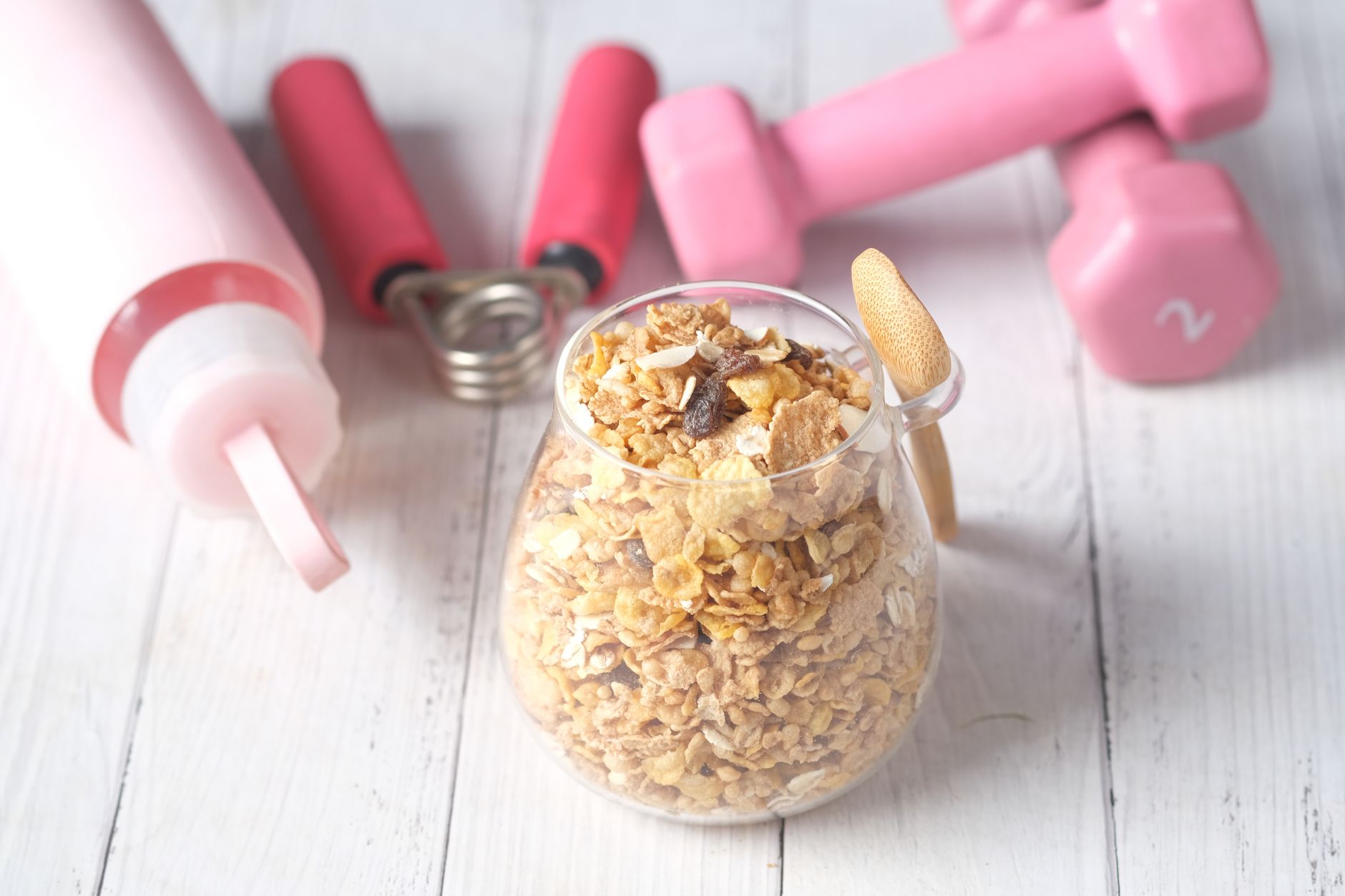
Balanced Nutrition for Daily Energy is less about strict rules and more about building meals that carry you through the day without constant guesswork. I think of it as a practical pattern, not a perfect menu. The goal is to eat in a way that feels steady, realistic, and repeatable when work runs long, plans change, or energy drops at the wrong time.
If you want the wider site context, the HealthOrgs home page is a good place to start, because the same idea shows up across everything here. Good nutrition works best when it is simple enough to repeat and flexible enough to survive a busy week.
The approach in this article is not built on extremes. It does not ask for a special cleanse, a dramatic overhaul, or a perfect shopping cart. It asks a calmer question. What does a normal day need so that you can feel clear enough to work, move, think, and rest without the usual energy dip that sends you hunting for a quick fix?
The Plate That Makes Decisions Easier
Most people do not need more nutrition rules. They need fewer decisions. That is why I like starting with the plate itself. When you can look at a meal and quickly see a useful shape, you spend less time wondering whether it is enough and more time actually eating. A steady plate usually has three parts. One part brings protein. One part brings fiber-rich plants. One part brings slow, grounding carbohydrates or healthy fats that help the meal feel complete.
This is not a rigid formula. It is a visual shortcut. A bowl with yogurt, oats, berries, and seeds works because it covers several needs at once. A lunch with chicken, rice, cucumber, greens, and olive oil works for the same reason. A dinner built around beans, roasted vegetables, and potatoes does the same job from another angle. The details can change. The pattern stays useful.
The reason this works is simple. When meals are built from different textures and food groups, they tend to feel more satisfying, which makes it easier to stay consistent later in the day. People often make the mistake of judging a meal by a single nutrient or a single calorie count. That misses the bigger picture. A plate is not a spreadsheet. It is a lived experience. If the meal looks small, tastes dull, or leaves you hungry an hour later, it will not feel practical no matter how carefully it was planned.
I also like this method because it scales. If you eat at home, you can build it from scratch. If you grab something from a café, you can still scan the plate and ask whether enough of the useful pieces are there. If you travel, the pattern can still hold with whatever options are available. The point is not to perform discipline. The point is to make the next choice easier than the last one.
Here is a simple check I use when a meal needs to hold up for several hours: does it have a protein anchor, does it include something with texture and fiber, and does it contain a carb or fat that keeps the meal from feeling thin? If the answer is yes to all three, the meal is usually on the right track. If one piece is missing, I do not panic. I just notice what the meal is likely to do later. That small habit makes nutrition feel less like guesswork and more like a useful skill.
Balanced Nutrition for Daily Energy at Breakfast, Lunch, and Dinner
Balanced Nutrition for Daily Energy works best when you stop treating each meal like a separate moral test. Breakfast does not need to be tiny. Lunch does not need to be rushed. Dinner does not need to make up for the whole day. Each meal can play a different role, but they should still connect to the same pattern.
Breakfast is often where the day gets framed. If the first meal is mostly sweet, light, or purely convenient, many people feel the gap by midmorning. That does not mean breakfast has to be elaborate. It means breakfast works better when it has a more stable base. Think eggs with toast and fruit, Greek yogurt with oats and nuts, tofu with vegetables and rice, or a savory wrap with beans and avocado. The detail that matters is not the recipe. It is the combination.
Lunch is where many people fall into the trap of convenience over completeness. A quick sandwich, a salad with almost no substance, or a snacky mix of random items can leave the afternoon feeling jagged. Lunch is easier when it has enough volume to count as a real meal. A grain bowl, a soup with bread and protein, or a simple leftovers plate usually does more than a food court impulse buy. The aim is not to eat more. The aim is to eat with enough structure that the rest of the afternoon does not feel like a rescue mission.
Dinner matters because people often approach it with whatever energy is left. That is when meals become either too heavy or too sparse. A good dinner usually lands in the middle. It can be warm and satisfying without being a huge event. It might be salmon with potatoes and greens, lentil pasta with vegetables, stir-fried tofu with rice, or roast chicken with squash and a salad. The exact foods are less important than the fact that the meal closes the day with some order.

One trick that helps across all three meals is repetition. People often think variety is the sign of good nutrition, but variety can become noise if every meal is a fresh puzzle. Repetition gives your body and your schedule a few steady anchors. Maybe breakfast is some version of a protein-plus-fiber bowl. Maybe lunch is usually a grain-based plate. Maybe dinner often includes vegetables, a main protein, and a starch. That kind of rhythm is more useful than a crowded list of one-off ideas.
If you want a practical way to test your meals, ask one question after each one. Did this meal feel complete enough that I could get back to work, walk into a meeting, or go out for an evening without thinking about food again right away? If the answer is yes most of the time, the pattern is doing its job.
Protein, Fiber, and Fat Work Better Together
It is easy to overfocus on one nutrient and miss the way meals actually work in the body and in real life. Protein gets attention because it is filling and helpful in many meals. Fiber matters because it gives structure to the meal and often makes it feel slower and more grounded. Fat matters because it adds richness and staying power. When those three are present together, a meal usually behaves better than one built around only one of them.
Think about the difference between plain toast and toast with eggs and avocado. Both count as breakfast, but they do not behave the same. The plain toast can be fine if that is all that is available, yet it often leaves a person wanting another snack soon after. The second version is more substantial because it brings more than one form of satiety to the table. That is the larger idea behind balanced eating. Meals do better when they are layered.
Protein does not need to be dramatic to matter. A serving of yogurt, beans, lentils, chicken, fish, tofu, tempeh, eggs, cottage cheese, or even a mix of grains and legumes can give a meal its center. Fiber does not need to be chased in a math-heavy way either. Vegetables, fruit, oats, beans, seeds, whole grains, and nuts all help create a meal with better structure. Fat does not need to dominate the plate. A little olive oil, tahini, nuts, seeds, avocado, or dairy can make food feel more complete.
The reason this combination matters is practical. Meals built on only quick-digesting carbohydrates can feel lively at first and then flat later. Meals built on only protein can feel plain and often need more texture. Meals built on only fat can become dense without enough balance. The point is not to fear any group. It is to notice what each one contributes.
Here is a simple comparison I find useful. A snack of crackers by themselves is a snack. Crackers with hummus and cucumber become more like a small meal. Fruit by itself is refreshing. Fruit with yogurt and nuts can hold up for longer. Rice on its own can be fine. Rice with beans, vegetables, and sesame or olive oil becomes a much more useful plate. None of those examples are about being perfect. They are about building food that works harder for you.
When people say they want more energy, they often mean they want meals that keep them from bouncing between hungry, distracted, and annoyed. That is where the trio of protein, fiber, and fat helps. It creates more room between meals, more steadiness during the workday, and fewer moments when the easiest available snack is also the least useful one.
The easiest way to remember the idea is this. One ingredient can be enjoyable. Two ingredients can be more satisfying. Three useful elements in the same meal often feel much easier to live with.
Fluids, Coffee, and the Timing of What You Eat
Energy is not only about what is on the plate. It is also about what is in the glass and when you decide to eat. Many people notice a slump and immediately blame food, when the actual issue is a mix of dehydration, long gaps between meals, too much caffeine, or a schedule that pushes lunch too late.
Water matters because even mild dehydration can make the day feel heavier than it needs to. I do not think of hydration as a dramatic wellness ritual. I think of it as one of the few habits that can be useful without asking for much. A glass of water after waking, another with breakfast, one during the workday, and one with a meal is a simple pattern that many people can actually keep. If plain water is not appealing, sparkling water, herbal tea, or water with lemon can be more inviting.
Coffee is useful too, but timing matters. Coffee on an empty schedule can mask the fact that you have not really eaten. Coffee in the middle of a long morning can feel like it is saving you when it is really borrowing from later. I prefer to see coffee as a support, not as a replacement for a meal. If you need caffeine, fine. Just do not let it become the thing that papers over a breakfast that never really happened.
Meal timing matters in a quieter way. People do not need a clock that tells them exactly when to eat. They do need a rough pattern. If breakfast is very late, lunch becomes strange. If lunch is too light, the afternoon gets noisy. If dinner is pushed too late, sleep can feel less settled. The answer is usually not a more complicated rule. It is a more reliable rhythm.
One useful experiment is to notice the hour when your focus first starts to drop. Not when you feel heroic, but when you begin to drift. That may be the point where your day needs a real meal or a useful snack instead of another cup of coffee. A protein-rich snack with fruit, nuts, yogurt, beans, or whole-grain toast can often do more than a sweet grab-and-go item. The goal is to respond to the body before everything feels urgent.
If your schedule is unpredictable, it helps to build a few portable backups. A banana, trail mix, roasted chickpeas, a yogurt cup, a sandwich, or a small container of leftovers can keep the day from turning chaotic. Timing is not about perfection. It is about reducing the number of moments when hunger becomes the boss of your choices.
When people get this part right, they often say the same thing. The day feels less choppy. That is a useful sign. Good nutrition is not supposed to be a performance. It is supposed to make ordinary life a little easier to manage.
Grocery Shopping That Does the Heavy Lifting
Meals are easier when the shopping list is boring in the best possible way. A grocery store can either support your routine or quietly sabotage it. If the cart is full of random ideas, the week becomes harder. If the cart is built around a few reliable ingredients, the week gets lighter.
I like to shop by category rather than by fantasy recipe. Start with protein options. Add a few vegetables that can be eaten raw or cooked. Choose a couple of fruits. Pick a grain or starch that works in different meals. Include one or two fats or flavor helpers, such as olive oil, nuts, seeds, tahini, or cheese. That is enough to build many different plates without overthinking each one.
Here is what a practical list can look like. Eggs. Greek yogurt. Oats. Chicken or tofu. Lentils or beans. Rice or potatoes. Spinach or salad greens. Carrots or cucumbers. Apples or berries. Olive oil or nuts. This is not a glamorous list, and that is the point. Glamour does not feed a Wednesday afternoon. Useful food does.
It also helps to buy a few semi-prepared items without guilt. Frozen vegetables, canned beans, pre-washed greens, rotisserie chicken, or microwaveable grains can be the difference between a good meal and a takeout habit that was born from exhaustion. Convenience is not the enemy. Unhelpful convenience is the problem. If a short-cut helps you make a better plate, use it.
One trick I use is to organize the cart by meals, not by ingredients alone. What does breakfast need? What does lunch need? What can become dinner with only minor effort? That question keeps you from buying a fridge full of interesting parts that never become a real meal. It also makes leftovers feel intentional instead of accidental.
If you want to keep the process even simpler, build a repeatable shopping template. For example, two proteins, three vegetables, two fruits, one grain, one snack item, one breakfast item, one backup meal, and one flavor source. This gives you enough structure to eat well without turning the grocery store into a research project.
The best shopping list is the one that makes future choices easier. Every item should answer a real question later in the week. What will I eat when I am busy? What will I grab when I am hungry and tired? What will save me from ordering food because the fridge looks empty even though it is not? If the grocery list helps answer those questions, it is doing real work.
Eating Out Without Abandoning the Pattern
Life is not made of home-cooked meals. You will eat at cafés, airports, office lunches, family dinners, and places where the menu was written for a different version of your day. That does not mean your pattern has to disappear. It just means you need a few simple choices that travel well.
When eating out, I look for the same three anchors I use at home. Is there a protein source? Is there something with texture and fiber? Is there a carbohydrate or fat that makes the meal feel grounded? A grain bowl, soup and sandwich, salad with a real protein, rice plate, burrito bowl, or breakfast plate can all work if you look at them that way. The question is not whether the restaurant is ideal. The question is whether the meal is complete enough to support the rest of the day.
It also helps to be realistic about portions. Restaurant meals can be larger than you need, smaller than you need, or simply arranged in a way that pushes one part of the meal too far ahead of the others. If the meal feels heavy, you can save half. If it feels light, you can add fruit, a side salad, soup, bread, or another useful item later. The skill is not control. The skill is adjustment.
Many people lose their routine in social settings because they want to be easygoing, and that is understandable. But easygoing does not have to mean unstructured. You can enjoy the meal, enjoy the company, and still notice whether you have enough of the useful parts on the plate. That small awareness keeps you from turning one lunch into an unplanned afternoon of snacking and regret.
I also think it helps to choose your anchor before you arrive if you can. Maybe it is a protein-rich breakfast. Maybe it is a lunch that includes vegetables and a real starch. Maybe it is a dinner that is lighter because the day already ran long. If you decide the role of the meal before you choose the meal, you are less likely to drift into whatever looks easiest in the moment.
Restaurant food is not a test of discipline. It is a different environment. The goal is to leave the table feeling like the meal made sense for your day. If that happens more often than not, your routine is strong enough to travel.
What to Do After a Chaotic Day
Most people do fine when life is smooth. The real challenge is the day that starts late, ends late, and leaves the fridge untouched. That is when the common reaction is to mentally declare the day a loss and start over tomorrow. I do not think that is the best move. A better move is to reduce the damage in a calm, practical way.
After a chaotic day, I try to ask one question. What is the smallest useful meal I can make right now? Sometimes that is toast with eggs. Sometimes it is rice with beans and vegetables. Sometimes it is yogurt with fruit and nuts. Sometimes it is soup, crackers, and cheese. The point is not to make up for the whole day. The point is to give the evening a more stable shape.
This is where people often overcorrect. They either ignore the day and keep grazing, or they try to build a huge meal late at night. Both options can make the next morning harder. A smaller, more thoughtful meal is often enough. It lets the day close without a spike of urgency.
I also find it useful to set up the next morning before I go to bed. Not with a full meal prep session. Just with one or two small actions. Put oats on the counter. Leave a yogurt in the front of the fridge. Wash fruit. Defrost something useful. Make a sandwich. These tiny moves lower the friction that chaotic days leave behind.
When people talk about consistency, they sometimes imagine a spotless routine. Real consistency looks more like recovery. It is the ability to return to the pattern after the day gets messy. That is the habit worth building. Not the perfect day. The return.
There is also a mental skill here. Do not let one messy day become a story about who you are. It was one day. Not a verdict. If you can make one decent meal, drink some water, and set out a better starting point for tomorrow, you are already back on track in the only way that matters.
This is why I like patterns over rules. Rules break easily when life gets loud. Patterns absorb the noise and keep moving.
Reading Your Own Energy Signals
Nutrition advice becomes much more useful when you start paying attention to your own signals instead of only looking for external rules. Two people can eat very similar meals and have different afternoons. The difference may be sleep, stress, movement, hydration, or simply how the meal fit into the rest of the day. That means your own signals matter.
One signal is how long a meal holds you. If you are hungry again very quickly, the meal may have been too light, too small, or too low in useful structure for your day. Another signal is mental clarity. If you feel foggy, scattered, or oddly impatient, it might not be because you need a whole new diet. It might be because lunch was too random or breakfast was too thin. Another signal is mood after eating. A meal that leaves you calm and stable usually fits better than one that leaves you sleepy or frantic.
I do not think you need to chase perfect internal awareness. You just need to notice patterns. When do you tend to crash? Which meals keep you steady? Which snacks help, and which ones disappear without doing much? Which coffees are helpful, and which ones create a later slump? Over time, those observations become a personal map.
That map is more useful than a generic food list because it reflects your actual life. If you train early, commute far, work at a desk, or manage unpredictable family schedules, your needs will differ from someone else’s. The more honest you are about your day, the easier it becomes to choose food that supports it.
One useful habit is a short weekly review. I ask myself three questions. Which meal helped most? Which meal caused the most friction? What one change would make next week easier? That is enough. You do not need a full audit. You need one or two useful adjustments.
If you want a simple rule for reading your signals, use this. Steady means a meal is doing its job. Choppy means something is off. Tired, but not wired, often means the plate was closer to what you needed. Shaky, restless, or snack-obsessed usually means the meal missed something important. Those clues are not moral judgments. They are data.
People often spend too much time looking for the right plan and too little time noticing the feedback already available in daily life. The body is speaking the whole time. The skill is learning to listen without panic.
A Seven-Day Reset You Can Repeat
If you want a practical way to put all of this into motion, try a seven-day reset that is small enough to finish. Not a challenge. A reset. The aim is to make the next week a little more predictable, not to prove anything.
Day one, choose a breakfast pattern. It can be eggs and toast, yogurt and oats, tofu and rice, or something similar. Keep it simple. Day two, build one lunch that includes protein, fiber, and a carb or fat that gives the plate more staying power. Day three, make dinner slightly more structured than usual. Day four, add a backup snack you can keep at work or in a bag. Day five, buy a few groceries that make the first four days easier. Day six, drink water earlier in the day than you normally do. Day seven, note what felt most useful and what felt unnecessary.
The reset works because it gives you one focus at a time. Too many nutrition changes collapse under their own weight. One change at a time can stick. After a week, you will not have a new personality, and that is fine. You will have a clearer sense of what helps.
I also like a reset because it turns food into a repeated practice instead of a one-time effort. You are not trying to solve your entire diet by Friday. You are building a few repeatable moves that can survive another week. That matters more than a burst of enthusiasm.
To keep the reset grounded, use a short checklist.
- Did I eat a real breakfast at least four times?
- Did I include protein in most main meals?
- Did I keep one useful snack ready?
- Did I drink water before I felt flattened?
- Did I make lunch and dinner feel more complete than random?
- Did I notice one thing that made the day easier?
The checklist is not there to create pressure. It is there to reveal what matters. You may find that breakfast changes your afternoon more than anything else. You may find that water timing matters more than a fancy recipe. You may find that shopping list quality beats every meal idea you saved on your phone.
That is the real value of a reset. It shows you what deserves repetition.
Maintenance Matters More Than Perfection
The longer I work with nutrition as a practical habit, the more I trust maintenance over intensity. Perfect plans feel impressive for a while, but maintenance is what keeps life manageable. A useful routine can survive a missed grocery trip, a long meeting, a late train, or a dinner invite without turning the rest of the week upside down.
Maintenance means keeping a few anchors in place. A breakfast pattern. A lunch pattern. A backup snack. A grocery template. A water habit. A way to return after a messy day. That is enough structure for most people to feel more stable without getting trapped in food rules.
It also means being willing to change the routine when your life changes. A summer schedule may need lighter meals. A heavy training week may need more food. A work-from-home day may call for different timing than an office day. Maintenance is not stubbornness. It is the ability to keep the system useful as the conditions shift.
If you want to keep the whole thing from becoming overwhelming, remember the question underneath everything else. Does this meal help me move through the day with a little more steadiness? If the answer is yes, that is enough. If not, adjust one piece next time. No drama required.
Balanced nutrition for daily energy is not about chasing a flawless body or a flawless week. It is about making food work as a quiet partner in daily life. The best version of that partnership is almost invisible. You eat, you move on, and the day feels a little easier to carry.
That is usually the sign I trust most. Not excitement. Not strictness. Just a steady day that feels more like your own.