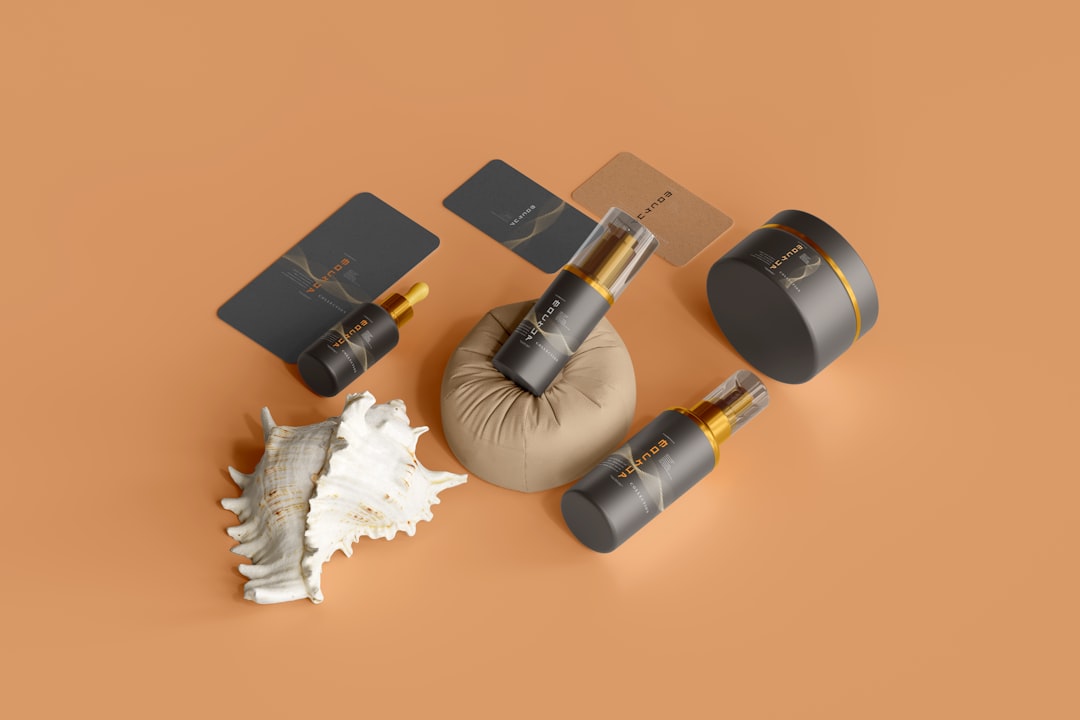
gentle skincare routine is the phrase I reach for when I want a plan that feels calm enough to repeat on a tired Tuesday and flexible enough to survive travel, late nights, and weather shifts. It is less about chasing a perfect shelf and more about choosing a few products that feel comfortable, layer well, and make the morning and evening flow easier. If you want a broader reference point while you compare options, the Skin Care hub on Health Orgs is a helpful place to browse categories and build a shortlist.
What I like about this approach is that it respects real life. A routine can be thoughtful without being complicated. It can feel polished without becoming a project. If you have ever stood in front of a mirror wondering whether you actually need one more bottle, this article is for that moment. The goal is simple. Build a base that feels good, learn how to compare products with less guesswork, and keep the whole thing easy enough that you will still use it when you are tired.
Why a simple routine feels easier to keep
Most people do not need more steps. They need a sequence that feels light, familiar, and easy to repeat. That is where simplicity helps. Every extra bottle adds another decision, another texture, another chance to overthink the day. A short routine reduces that mental load. You know what comes next. You use what you already trust. The whole thing becomes less like a negotiation and more like a habit.
There is also a feedback benefit. When your shelf is crowded, it is hard to tell which product is doing what. A simpler lineup gives you clearer clues. If your face feels tight after cleansing, that points in one direction. If a moisturizer sits too heavily, that points in another. If a sunscreen feels easy enough to apply every morning, that is worth keeping. Small, direct observations are easier to trust than vague impressions from a drawer full of half-used bottles.
I also think simplicity makes the routine feel more personal. You are no longer buying products because they were trending for a week. You are choosing them because they fit your day. That shift changes the whole mood of the process. The bathroom shelf stops looking like a test kitchen and starts looking like a small, dependable toolkit. A gentle approach gives you room to be consistent, and consistency is what gives the routine its value.
- Fewer steps mean fewer decisions.
- Fewer decisions mean less hesitation on rushed mornings.
- Clearer feedback makes product comparison easier.
- A stable base leaves room for small seasonal changes.
gentle skincare routine: the core steps that build a stable base
The core of a gentle skincare routine usually fits into a few simple moves. In the morning, many people do well with a light cleanse or a rinse, a hydrating layer if needed, a moisturizer, and sunscreen. At night, the sequence can be just as simple. Remove the day, add moisture where it feels useful, and finish with a cream or lotion that leaves the face comfortable. The details matter, but the logic stays steady. Start with the least complicated version that still feels complete.
One of the easiest ways to keep the base stable is to think in terms of texture, not promises. Ask yourself how a product feels during application and an hour later. Does it spread easily? Does it sink in without leaving a sticky finish? Does it leave your face feeling soft, balanced, or overly coated? Those are the questions that matter in daily life. Marketing language can be noisy, but texture is honest. You feel it right away.
I like to build the routine around one anchor product in each category. One cleanser. One moisturizer. One sunscreen. If a hydrating layer feels useful, add it as an optional bridge rather than a required part of the system. That way, your base still works on busy days. You are not designing a ceremony. You are building a routine that can survive a late train, a short night, or a sink that is far too small.
Start with the version you can repeat
There is a quiet truth in everyday care. The best routine is often the one you can repeat without thinking too hard. If a four-step morning plan makes you rush, cut it down. If a two-step evening plan feels too bare, add one light layer back in. The right balance is personal. You are looking for the version that feels clear enough to remember and pleasant enough to keep using.
Choose a cleanser by finish, not hype
Cleansers are easy to overcomplicate because the category is full of claims. You do not need the flashiest label. You need a product that leaves your face feeling clean and comfortable. That comfort can come from several formats. A gel cleanser often feels crisp and quick. A cream cleanser tends to feel softer and more cushioning. A balm can feel useful when heavier makeup or stronger sunscreen is part of the day. A milk cleanser usually feels gentle and smooth. The format matters more than the marketing slogan.
When I compare cleansers, I pay attention to three things. First, how the product spreads. Second, how it rinses. Third, how my face feels once the water is gone. If a cleanser leaves a tight finish, that is a sign to look for something less aggressive in feel. If it leaves a film that lingers too long, I look for a different rinse profile. The goal is not to scrub harder. The goal is to find a finish that makes the rest of the routine easier.
Water temperature matters too. Lukewarm water usually feels calmer than very hot water. Light pressure helps more than scrubbing. A short massage is often enough. There is no prize for working the cleanser into the skin for a full minute if the result feels harsh. The best cleansing step is the one that removes the day and leaves you ready for what comes next.
- Gel if you want a quick rinse and a lighter feel.
- Cream if you want more cushion.
- Balm if your evening routine starts with heavier makeup or stronger sunscreen.
- Milk if you want a smooth, quiet finish.
If a cleanser works well in the morning but feels too light at night, that does not mean it failed. It means you found its lane. Many routines use one cleanser for daylight and another for evening, but only if that second product earns its place. Keep the question practical. What do you actually use? What feels comfortable after a full day? What leaves your skin looking and feeling settled rather than stripped?
Add hydration only where it improves the feel of the routine
Hydration layers are useful when they add comfort, not because the shelf looks incomplete without them. Toners, essences, and lightweight serums can all fill this role. They tend to work best as a bridge between cleansing and moisturizer, especially when your face feels a little dry, a little tight, or just slightly out of balance after washing. The point is simple. Add a light layer if it improves the finish and skip it if it does not.
The most useful hydrating products usually disappear quickly into the skin. They spread without friction. They dry down without a tacky finish. They make the next step feel smoother. If a hydrating layer leaves your face sticky, it may be too much for your preferences, or you may just need a smaller amount. A thin layer can often do more than a heavy one. It is a small detail, but small details often decide whether a routine feels pleasant.
Some people like watery formulas because they feel refreshing. Others like slightly richer essences because they create a softer base under moisturizer. Neither is better in the abstract. The better choice is the one you notice in a good way. If you are building from scratch, try the simplest version first. One light hydrating product, used on the days when your face actually wants it, is enough to learn from.
Another practical factor is layering order. If a product pills under your moisturizer, the issue may be the amount, the pause between steps, or the pairing itself. Try less product first. Then allow a little more time between layers. If the problem continues, the mismatch may be real. That is useful information, not a failure. It tells you the product does not belong in that exact routine.
Signs a hydrating layer is earning its place
- It feels light and comfortable within moments of application.
- It makes the next step smoother.
- It does not leave a sticky finish.
- It still feels useful after a few weeks, not just on the first day.
A hydration layer should make the routine feel easier, not heavier. If it does that, keep it. If it complicates the routine, let it go for a while and see how the rest of the plan feels without it.
Pick a moisturizer that fits your day
Moisturizer is often the step that defines the feel of the whole routine. It is the layer most people notice over time, because it stays with the skin through the day or through the night. A gel cream can feel light and fresh. A lotion can feel balanced and flexible. A richer cream can feel more cushioned and comforting when the air is dry or the day is long. The question is not which format sounds best on the box. The question is which finish you want to live with.
Climate changes the answer. A thinner texture can feel great in humid weather or under makeup. A richer texture can feel more welcoming when heaters are running and the air is dry. If you want a single product for most seasons, a middle-weight lotion is often the easiest place to start. It layers well, it rarely feels too fussy, and it usually gives you enough flexibility to adjust the amount rather than swapping products every month.
Application also matters. A small amount can be enough when you want a lighter finish. A little more can work on days when the face feels dry or exposed to wind and air conditioning. Warming the product between your fingers can make it spread more evenly. Pressing it in gently often feels better than rubbing it around. These tiny details shape the experience far more than slogans on the front of the package.
One helpful test is the morning check. After moisturizer, look at the finish in natural light. Does the skin look comfortable and even? Does it feel like a smooth base for sunscreen? Or does it look heavy, slick, or patchy? The answer tells you whether the product belongs in the morning, the evening, or both. A product can still be useful even if it is not versatile. The best routines often separate the lightweight daytime layer from the more comforting evening layer.
- Gel creams suit lighter finishes.
- Lotions suit balanced, flexible routines.
- Richer creams suit drier air or evening use.
- Smaller amounts help when the finish feels too heavy.
Sunscreen and the morning exit test
Sunscreen works best when it feels easy enough to use every morning without a debate. That means the texture matters, the finish matters, and the packaging matters. If a sunscreen is awkward to apply, leaves a finish you dislike, or takes too much effort to blend, it is going to feel like a chore. A good formula is the one you can place on your face and then walk out the door without thinking about it for the next hour.
For me, the most useful sunscreen comparisons come down to feel and compatibility. Does it sit well over your moisturizer? Does it layer under makeup without turning patchy? Does it leave the skin looking too shiny, too flat, or just right for your taste? These are real-world questions. They matter more than a long list of claims on the label. A bottle that feels nice in your hand and works well with the rest of the routine is more valuable than a more dramatic option that you keep skipping.
A small routine habit can make a big difference here. Put the sunscreen where your hand naturally reaches in the morning. Keep it with the cleanser. Put a second bottle near the bag you use most often. Make the product visible. The less you have to search for it, the more likely it is to become part of the routine. Habit design matters more than willpower.
If you dislike the finish of one formula, test another format rather than assuming the entire category is not for you. Some sunscreens feel more fluid. Some feel more creamy. Some leave a more natural finish, while others look slightly more matte. There is room to choose. The right one is the one you can use without hesitation on ordinary mornings.
Useful sunscreen habits are often boring, and that is a good sign. If the product feels easy, the habit becomes easier too.
Read ingredient lists without turning it into homework
Reading labels does not need to become a research project. A few quick checks usually tell you enough. Start with fragrance. If you prefer a low-scent or fragrance-free product, that is a simple filter. Then look at the texture clues on the front of the package. Words like gel, cream, lotion, balm, or fluid often tell you more about the feel than the rest of the marketing copy. After that, scan the ingredient list only far enough to see whether there is an ingredient you already know you enjoy or one you already know you would rather skip.
Packaging can be part of ingredient awareness too. A pump is easy to control and often feels cleaner to use. A tube is travel-friendly and less messy. A jar can feel luxurious but may encourage over-scooping. None of these formats is universally better. The useful question is which format makes the product easier to finish. If a product is lovely in theory but inconvenient in practice, it may live in the drawer instead of on your face.
I also like to look for overlap. If your cleanser is creamy, your hydrating layer is rich, and your moisturizer is heavy, the stack may feel more complicated than necessary. In that case, simplify the middle steps. If your face already likes a balanced lotion, you may not need a second layer that behaves almost the same way. Overlap is common. Removing overlap can make the routine feel cleaner and more predictable.
If you are building a shortlist, ask a few plain questions. Does this product fit the feel I want? Does it repeat a step I already have? Is the scent comfortable for daily use? Will the packaging make the routine easier or harder on busy days? Those questions are more useful than trying to memorize every ingredient. Label literacy is about enough awareness, not exhaustive study.
- Check fragrance level first if scent matters to you.
- Use texture words as a clue about feel.
- Prefer packaging that fits your habits.
- Watch for overlap with products you already own.
Introduce new products one at a time
Trying too many new items at once makes it hard to know what changed. A slower approach gives you better information and usually feels calmer. When I test something new, I start with a small amount in a limited area and look for how the product feels over a few days. If it stays comfortable, I expand the use gradually. If it feels off, I stop early and move on. That way, the process stays informative instead of chaotic.
The reason this matters is simple. Each product changes the routine a little. If three new items enter at once, you will not know which one improved the finish or which one made the routine feel wrong. A slower pace keeps the routine understandable. You can tell whether a cleanser is too dry, whether a moisturizer feels too heavy, or whether a sunscreen sits awkwardly over the layers beneath it. Clarity is the real benefit.
A short note on your phone can help more than memory. Write down the product name, the date, and one or two quick observations. You do not need a perfect diary. Just enough information to notice patterns later. When you return to a product weeks later, those notes will feel useful in a way that guesswork never does. This is especially helpful if your skin feel changes with weather, stress, or routine changes.
The same slow approach works when you want to replace an old product. Swap only one thing at a time. Keep the rest of the routine steady. If the new item behaves well, you have a cleaner sense of why. If not, you can roll back with less confusion. That is how a routine stays understandable and manageable.
A simple introduction checklist
- Use the new product in a small amount at first.
- Keep the rest of the routine unchanged.
- Watch for feel, texture, and comfort.
- Take a few short notes.
- Add the product fully only after it earns a place.
Morning, evening, and travel templates that fit real schedules
Templates are useful because they keep the routine from becoming a puzzle every day. On a rushed morning, a short sequence may be enough. On a slower evening, you might add one extra layer for comfort. Travel days call for the smallest version that still feels complete. The point is not to use the same sequence in every setting. The point is to make each setting easy to handle.
A practical morning template could be simple. Rinse or cleanse lightly, apply a hydrating layer if your face wants it, add moisturizer, and finish with sunscreen. If your moisturizer and sunscreen already sit well together, that may be the whole routine. If not, simplify. One lighter moisturizer may do the work of two morning layers. What matters is that the routine gets done without friction.
An evening template can be a little more flexible. If you wore makeup or a heavier sunscreen, a first cleanse with a balm or oil-like product can make the rest of the routine easier. Follow with a regular cleanser if that helps the finish. Then add a hydrating layer or a moisturizer, depending on how the face feels. Some nights you may want a richer cream. Other nights you may only want a lotion. The evening routine can respond to the day instead of ignoring it.
Travel deserves its own small kit. Bring the cleanser you know, one moisturizer that fits most conditions, and a sunscreen that travels well in a bag. If you use a hydrating layer often, decant a small amount into a container you trust. The key is to keep the kit tiny and familiar. You do not need a suitcase full of experiments when the bathroom counter is already unfamiliar.
I keep a second thought in mind here. The routine should feel easier, not more impressive. If a travel kit becomes a burden, it is too large. If a morning plan takes too long, it is too complicated. Templates are there to save energy. Use them that way.
Seasonal swaps, storage, and routine maintenance
Weather changes how products feel. A moisturizer that feels perfect in winter may feel too heavy in summer. A hydrating layer that feels lovely in dry indoor air may feel unnecessary when the climate is humid. Instead of rebuilding the whole routine each season, change one texture at a time. Keep the structure stable and let the weight of the products change with the weather.
Storage matters more than most people expect. Keep products where they are easy to reach and away from places that get too warm or too damp. A tidy tray can help. So can a small cabinet that keeps the routine together. When products are visible and organized, they are easier to use and easier to finish. Hidden products are often forgotten products, and forgotten products become clutter.
Maintenance is also about honest review. Every few weeks, look at what is actually in use. What bottle are you reaching for most often? Which one keeps getting skipped? Which product works well only in one season? Those answers can guide the next round of choices. If a product still earns its place, keep it. If it sits untouched, it may be better as a backup or a repurchase later rather than a permanent resident on the counter.
A simple maintenance habit is the finish check. When you finish a bottle, ask whether you missed it, tolerated it, or enjoyed it. That one question tells you a lot. Products you miss are good candidates for repurchase. Products you tolerate may need a better match. Products you enjoy are the ones that help a routine feel like part of daily life instead of a task list.
- Adjust texture with the season, not the whole structure.
- Keep products visible and grouped together.
- Review what gets used and what gets ignored.
- Repurchase only what still earns its place.
Common mistakes and gentle troubleshooting
When a routine feels off, the best move is usually to simplify before you add anything else. A crowded routine can hide the real problem. If your face feels too coated, step back and remove one layer. If it feels too dry, add a small amount of moisture or swap to a richer texture. If a sunscreen sits badly, the issue may be the moisturizer beneath it. Troubleshooting works best when you change one variable at a time.
Another common mistake is chasing the first appealing label. Many products sound lovely, but the face only cares about feel and fit. A jar may look elegant while a tube works better. A bright marketing claim may sound exciting while a plain lotion feels far more usable. Do not let the shelf become a mood board. Let it become a set of tools that make daily life easier.
If a product feels off, that does not mean it is bad. It may simply belong in a different role or a different season. A richer moisturizer might be perfect at night but too much for the morning. A lightweight hydrating layer might be ideal in spring but vanish too quickly in winter. Products are not fixed identities. They are tools with jobs. When the job changes, the tool may change too.
Budget matters as well. It is tempting to buy a more expensive product when you want a quick answer, but cost does not always match comfort. Compare products by finish, size, packaging, and how often you would really use them. A mid-priced product that you enjoy every day often gives better value than a more expensive one that stays unused. The useful metric is cost per use, not the label on the front.
If discomfort keeps returning, if a product repeatedly feels wrong, or if you have a concern that keeps lingering, speaking with a dermatologist can give you a more specific perspective. That is not a sign that your routine failed. It is just a sensible next step when a question needs more than routine-level comparison.
Keeping the routine calm over time
The strongest routines are usually quiet ones. They do not demand much energy. They are not built around constant reinvention. They are built around comfort, repetition, and product choices that make sense in your actual day. That is why a gentle skincare routine can feel so useful. It leaves room for real schedules, changing weather, and the kind of ordinary mornings most people actually live.
If you want to keep refining it, do so slowly. Try one new texture. Swap one step for a season. Remove what feels crowded. Keep the pieces that make your face feel settled and your mornings easier. That kind of routine does not need to be dramatic to be effective in daily life. It just needs to fit.
When you want a quick refresh, return to the base. Cleanse with enough care to feel fresh. Add moisture where it helps. Use a sunscreen you can reach for without bargaining with yourself. Keep the shelf small enough that you know what belongs there. The routine stays calm when the choices stay clear, and clear choices are easier to repeat tomorrow.
That is usually where the real value lives. Not in a packed cabinet. Not in a pile of unopened bottles. In a short, reliable sequence that feels good enough to use again.