Balanced nutrition for recovery starts with a realistic plan, and this guide puts balanced nutrition for recovery into a simple, repeatable routine you can follow for twelve weeks or longer. It is written for people who want to support energy, daily performance, and steady progress using food, hydration, and gentle structure without rigid rules.
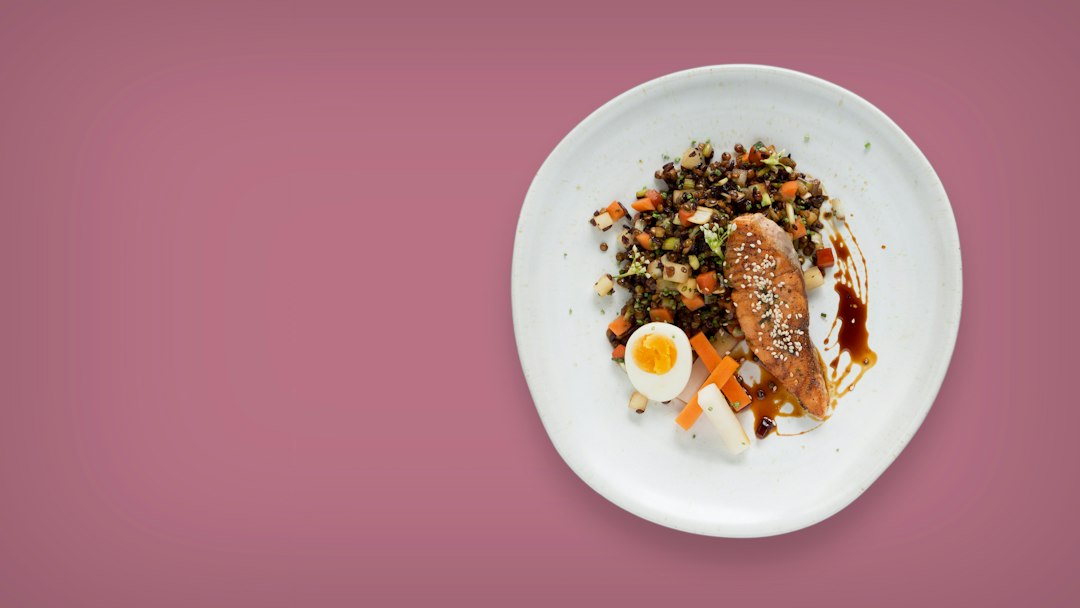
This article focuses on daily habits that support normal recovery processes: building meals that are satisfying and nutrient-dense, organizing a kitchen that makes cooking easier, and pacing changes so they fit a busy schedule. It emphasizes practical steps such as shopping lists, batch-cooking ideas, and simple checks to see whether your plan is working for you. If you want extra educational reading, visit HealthOrgs for additional resources aligned with this approach.
What “recovery” means in everyday life
Recovery is not only for athletes or people returning from injury. It is a daily rhythm in which the body rebuilds tissues, balances fluids, restores energy stores, and resets after the demands of work, family, and movement. A food plan that supports recovery is realistic about the week’s pressures and the foods you actually like to eat. Instead of chasing perfection, it helps you stack small wins: consistent meals, steady hydration, enough protein, plenty of colorful produce, and a calm kitchen routine.
Think of your week as a cycle: effort, refuel, rest, repeat. A supportive plan makes that cycle smoother by delivering nutrients when they are most useful and by removing friction in daily decisions. The following sections turn those ideas into a schedule you can apply right away.
balanced nutrition for recovery: week-by-week roadmap
This twelve-week roadmap is organized in three phases. Each phase builds a foundation, adds skills, and then refines your personal fit. The structure is flexible: if a week runs long or short, simply pick up where you left off. The goal is a plan you can keep, not a race to finish.
- Phase 1, Weeks 1–4: Baselines and simple plates. Focus on protein at each meal, two servings of produce per meal, and one planned snack. Build a hydration habit that actually fits your day.
- Phase 2, Weeks 5–8: Skill stacking. Add batch-cooking, introduce two go-to breakfasts and two go-to lunches, and practice balanced dinners across cuisines.
- Phase 3, Weeks 9–12: Personalization. Adjust macros by appetite and energy logs, refine timing that suits your schedule, and test travel or social scenarios.
Throughout, you’ll use short feedback loops. Each week, check three things: energy during the day, appetite regularity, and digestion comfort. If one of those signals drifts, you’ll tweak the next day’s meals instead of waiting until the end of the month.
Set your baselines: goals, signals, and constraints
Before changing anything, clarify what success looks like. “More energy” is helpful, but measurable signals are more practical. Consider these baselines for the next seven days:
- Energy curve: On a 1–10 scale, record morning, mid-day, and evening energy in a notes app.
- Appetite rhythm: Note typical hunger times and whether meals keep you satisfied for 3–4 hours.
- Sleep timing: Track bedtime and wake time; note whether late meals affect your sleep quality or latency.
- Schedule constraints: Identify the busiest days and mealtimes that will likely require convenience foods; plan ahead to make those choices better.
If you work with a qualified professional, share these baselines to align expectations. If not, they still help you run small experiments and see what changes actually help.
Macros that support steady progress: protein, carbs, and fats
Protein provides building blocks for normal tissue maintenance and day-to-day resilience. A practical target for many adults is to include a meaningful source of protein at each meal—something like 20–40 grams, depending on your size and appetite. Examples include eggs and yogurt at breakfast; legumes or tofu for plant-based meals; fish, chicken, or lean meats at lunch or dinner; and simple protein-forward snacks such as cottage cheese, edamame, or a small protein smoothie.
Carbohydrates are your primary energy currency for daily tasks and movement. Favor slower-digesting sources at most meals—oats, brown rice, quinoa, whole-grain breads, beans, and starchy vegetables—while using quicker sources such as fruit or white rice around activity or when you need fast energy. Pairing carbs with protein and fiber moderates swings in energy and keeps meals satisfying.
Fats deliver flavor, satiety, and fat-soluble nutrients. Use a mix of olive oil, avocado, nuts, seeds, and fish. Moderate portions keep meals satisfying without feeling heavy. Think about fats as a finishing touch: a drizzle of olive oil, a quarter of an avocado, a tablespoon of tahini, or a sprinkle of chopped nuts.
One reasonable plate guideline is the 30–30–40 approach: around 30 grams of protein, roughly 30 percent of calories from fat, and the rest from fiber-rich carbohydrates. You’ll vary day by day, but this mindset helps you assemble meals without overthinking.
Micronutrients that help your plan feel complete
Micronutrients quietly support everyday functions: connective tissue maintenance, normal immune function, fluid balance, and energy metabolism. Rather than memorizing a long list, use patterns that naturally cover many bases:
- Color rotation: Aim for three to five colors of produce each day. Oranges and reds (citrus, peppers, tomatoes), greens (leafy greens, broccoli), purples (berries, eggplant), and whites (onion family, mushrooms) broaden your nutrient intake.
- Mineral diversity: Mix leafy greens, legumes, seeds, and dairy or fortified alternatives to cover common minerals such as calcium, magnesium, and potassium in your overall diet.
- Omega-3 sources: Include fish like salmon, sardines, or trout a couple of times weekly or emphasize walnuts, chia, or ground flax if you prefer plant-based options.
These patterns spare you from counting numbers and empower you to choose variety. If you enjoy tracking, a simple checklist in your notes app—colors, greens, legumes, fish/plant omega-3s—helps keep the week on track.
The gentle, fiber-forward plate model
A plate that supports recovery looks generous and calming: a palm-sized protein, two big handfuls of vegetables, a fist-sized serving of quality carbohydrates, and a thumb or two of healthy fats. Build most meals around this model and adjust portions up or down depending on appetite, activity, and personal goals.
Here are three examples across different cuisines:
- Mediterranean bowl: Grilled chicken or chickpeas, cherry tomatoes, cucumber, olives, brown rice, and a lemon-olive-oil dressing with herbs.
- Latin-inspired plate: Baked fish or black beans, roasted peppers and onions, a side of sweet potato, and avocado slices with lime.
- Asian-inspired bowl: Tofu or thin-sliced beef, sautéed bok choy and carrots, jasmine rice or soba noodles, and a sesame-ginger dressing with scallions.
These meals are simple enough to cook on weeknights and adaptable to family preferences. Keep spices and condiments flexible: paprika or za’atar for the Mediterranean bowl, cumin and cilantro for the Latin plate, and chili crisp or miso for the Asian bowl.
Hydration and electrolytes without overcomplicating it
Consistent hydration helps with energy and routine comfort. Start your day with a glass of water and keep a bottle nearby. Many people feel best aiming for roughly two to three liters per day, adjusting for heat, activity, and personal size. Add a pinch of salt and a squeeze of citrus to a glass once or twice daily if you sweat a lot, or use a light electrolyte mix you enjoy.
To keep it practical, anchor fluids to daily cues: a glass on waking, at mid-morning, around lunch, mid-afternoon, and at dinner. If you prefer tea, rotate caffeine-free herbal blends in the afternoon and evening so your sleep stays consistent.
Meal timing that fits real life
Meal timing works best when it serves your schedule, not the other way around. A common structure includes breakfast within a couple of hours of waking, a lunch that is big enough to power the afternoon, and a dinner that leaves you comfortable before bedtime. For people who train or walk regularly, a small protein-carb snack can sit before or after activity to support energy and comfort.
Examples:
- Morning worker: Breakfast 7:30, lunch 12:30, snack 16:00, dinner 19:00.
- Evening exerciser: Breakfast 8:00, lunch 13:00, light snack 17:30, training 18:30, dinner 20:00.
- Shift schedule: Where shifts rotate, create two repeatable patterns and switch as needed; keep a shelf-stable snack at work to smooth surprises.
There is no single timing that fits all. The signal that your timing works is simple: your energy stays steady and your appetite feels predictable.
The 12-week plan in detail: recipes, shopping, and pacing
Weeks 1–2: Breakfast and hydration anchors
- Pick two breakfasts you genuinely enjoy and can make in under ten minutes. Examples include overnight oats with yogurt and berries; scrambled eggs with spinach and whole-grain toast; tofu scramble with avocado and salsa; smoothie with milk or a fortified alternative, frozen fruit, and protein powder.
- Hydration anchors: one glass on waking and one at mid-morning each day. Add a small bottle on your desk and refill at lunch.
- Shopping list: oats, eggs or tofu, yogurt or dairy alternative, spinach, frozen berries, whole-grain bread, olive oil, bananas, cinnamon, chia or ground flax.
Weeks 3–4: Lunch fundamentals
- Create two go-to lunches. Aim for a protein, a large vegetable component, and a whole-grain or starchy base. Ideas: couscous bowls with chickpeas and chopped salad; tuna or white bean salad with olive oil and lemon; rice bowls with tofu and steamed greens.
- Batch-cook grains: 2–3 cups of brown rice or quinoa at the start of the week. Store in clear containers so you see them first in the fridge.
- Shopping list: chickpeas, canned tuna or beans, couscous or quinoa, cucumbers, tomatoes, leafy greens, lemon, olive oil, spices, pre-chopped veggie mixes for busy days.
Weeks 5–6: Dinner rhythm and flavor variety
- Build a three-night rotation: a fish night (or plant alternative), a legume night, and a poultry or tofu stir-fry night. On other nights use leftovers or a simple pasta with vegetables and beans.
- Practice simple techniques: sheet-pan roasting for hands-off cooking, quick sauté with colorful veggies, and slow-cooker soups that build flavor while you work.
- Shopping list: salmon or sardines (or tempeh), chicken thighs or extra-firm tofu, black beans or lentils, pasta, tomatoes, onions, garlic, carrots, bell peppers, herbs, soy sauce or tamari, vinegar selection.
Weeks 7–8: Snack strategy and travel kit
- Pick three snacks: one fresh (fruit + yogurt), one crunchy (nuts + dried fruit), and one savory (whole-grain crackers + cheese or hummus). Keep them visible and portion-friendly.
- Assemble a travel kit: a small container of nuts, a bar you like, tea bags, and a collapsible bottle. This kit lives in your bag or desk drawer.
- Shopping list: mixed nuts, unsweetened dried fruit, yogurt or dairy alternative cups, hummus, whole-grain crackers, small containers or bags for portions.
Weeks 9–10: Personalize portions and taste
- Use your energy and appetite logs: if afternoons feel sluggish, add 10–15 grams of protein and a piece of fruit at lunch; if evenings feel too full, shift more calories to earlier meals and reduce dinner portions slightly.
- Adjust fats by feel: if meals feel dry or not satisfying, add a bit more olive oil, tahini, or avocado; if meals feel heavy, pull back on cooking oils and use squeeze-bottle dressings sparingly.
- Flavor exploration: add one new spice blend or sauce each week to keep meals interesting—harissa, gochujang, chimichurri, or dukkah.
Weeks 11–12: Real-life rehearsals
- Plan for a restaurant night: preview the menu, choose a protein-centered dish with vegetables and a carbohydrate you enjoy. Eat mindfully and stop when comfortably satisfied.
- Plan for a social gathering: bring a shareable dish that fits your model—grain salad with beans and herbs, a fruit platter with yogurt dip, or roasted vegetables with a tahini drizzle.
- Plan for a tough week: stock the freezer with soup portions, keep pre-washed salad greens, and lean on a pre-cooked rotisserie chicken or baked tofu to assemble quick meals.
Kitchen setup that makes cooking easier
Recovery-friendly eating becomes routine when your kitchen reduces decision fatigue. A modest setup works:
- Core tools: a sharp chef’s knife, a cutting board that doesn’t slide, one large pan, one medium pot, and sheet pans for roasting. Optional but useful: a rice cooker or slow cooker.
- Pantry backbone: olive oil, vinegar trio (balsamic, red wine, rice), whole grains, canned beans, tomatoes, broth, nuts, seeds, and a spice rack anchored by basics such as cumin, paprika, garlic powder, and oregano.
- Prep strategy: wash greens in batches, chop two extra onions and store them, and roast a tray of vegetables while you do other tasks. Fridge visibility matters—use clear containers and label leftovers.
Cooking techniques matter less than repetition. Start with one method (like sheet-pan roasting) and repeat it across ingredients: cauliflower, carrots, sweet potatoes, and chicken pieces all roast well at similar temperatures. Consistency turns cooking into a predictable, short task rather than a project.
Recipes to get you started
Sheet-Pan Lemon Chicken and Vegetables (serves 4)
- Ingredients: 4 chicken thighs (or firm tofu blocks), 2 cups chopped potatoes, 2 cups broccoli florets, 1 red bell pepper, 2 tbsp olive oil, lemon zest and juice, salt, pepper.
- Method: Toss vegetables with 1 tbsp oil, salt, and pepper; spread on a sheet pan. Nestle chicken or tofu among vegetables, drizzle remaining oil, and scatter lemon zest. Roast at 425°F/220°C for 30–35 minutes (tofu 20–25). Finish with lemon juice.
Hearty Lentil Soup (serves 6)
- Ingredients: 1 cup lentils, 1 onion, 2 carrots, 2 celery sticks, 2 cloves garlic, 1 can tomatoes, 4 cups broth, 2 tbsp olive oil, bay leaf, salt, pepper.
- Method: Sauté onion, carrots, celery in oil until fragrant. Add garlic, lentils, tomatoes, broth, bay leaf; simmer 30–35 minutes. Adjust seasoning; serve with whole-grain bread and a side salad.
Overnight Oats with Yogurt (serves 2)
- Ingredients: 1 cup rolled oats, 1 cup milk or fortified alternative, 1 cup yogurt, 1 cup berries, 1 tbsp chia or ground flax, cinnamon, honey if desired.
- Method: Combine oats, milk, chia, cinnamon; rest overnight. In the morning, stir in yogurt and berries; divide into two jars.
Special considerations and flexible swaps
Plant-forward variations: For each recipe, swap tofu, tempeh, or legumes for animal proteins. Season assertively and use texture diversity—crispy tofu with creamy beans, for example—to keep meals satisfying.
Gluten-free options: Use rice, quinoa, buckwheat, or corn-based products for grains and pasta. Many soups and roasted meals are naturally gluten-free when made at home.
Dairy-free alternatives: Choose fortified plant beverages and yogurts you enjoy; aim for products that provide protein and are fortified with calcium and vitamin D to keep overall balance.
Sensitive digestion: When certain foods feel heavy, cook vegetables well, start with smaller portions of legumes, and choose gentler fibers like oats and ripe bananas. Over time, many people find they tolerate a broader range when meals are cooked, simple, and portioned gradually.
Progress tracking without obsession
To know whether your plan is working, track only what helps you decide what to do next. Each week, evaluate three checkpoints:
- Energy stability: Did your daily energy ratings trend upward or become more consistent?
- Meal satisfaction: Were you comfortably satiated for a few hours after meals without feeling sluggish?
- Kitchen friction: How many nights did you feel rushed or stuck? Reduce friction by prepping grains and vegetables earlier in the week.
If you like numbers, you can log steps or workouts, but it is not required. The main purpose of tracking is to simplify adjustments. For example, if lunches leave you hungry early, add another 10–15 grams of protein or a small piece of fruit. If dinners feel too late, move more calories into breakfast and lunch and aim for a lighter evening meal.
Troubleshooting common roadblocks
“I’m short on time.” Use the rule of doubles: cook double grains or vegetables when you are already in the kitchen. Freeze half the soup you make. Keep five-minute proteins on hand—canned beans, smoked salmon, baked tofu.
“I get bored.” Keep the structure; rotate flavors. The plate model doesn’t change, but spices and sauces do. One week go Mediterranean with oregano and lemon; the next, go East Asian with soy, ginger, and sesame.
“My appetite swings.” Anchor breakfast and lunch. Add a mid-afternoon snack when needed. Appetite often evens out when earlier meals are larger and include enough protein.
“Eating out or traveling throws me off.” Use your travel kit and scan menus for the same patterns: a protein-centered entrée, a vegetable side, and a carbohydrate you enjoy. Balance your day by keeping other meals simple.
Checklist: your weekly reset
- Pick two breakfasts and two lunches for the week.
- Choose a three-night dinner rotation; keep two nights flexible.
- Batch-cook one grain and one soup.
- Prep a tray of roasted vegetables.
- Stock snacks: fruit, nuts, yogurt or plant alternative, whole-grain crackers.
- Set hydration anchors on your calendar or with a bottle you like.
- Review one week of logs for energy and appetite; make one small change.
Optional add-ons: gentle movement and rest
Food works best alongside movement and rest that match your life. Short walks after meals can feel good and help you settle into your day. Light strength sessions with bands or bodyweight a couple of times weekly can help you feel more capable during daily tasks. Rest is a skill too: aim for consistent bedtimes where possible and create a wind-down routine you enjoy.
FAQs
Do I need to count calories or macros? You can, but you do not have to. The color rotation, protein-at-each-meal, and fiber-forward plate model already cover most bases. If data helps you learn, track for a week, then transition back to patterns.
Can I enjoy desserts or favorite comfort foods? Yes. A supportive plan includes foods you love. Use a small, satisfying portion in balance with your day. Enjoy it mindfully, and move on without labeling food as good or bad.
What about supplements? This guide focuses on food-first strategies. If you are considering supplements, consult a qualified professional who knows your context, and use them to complement—not replace—meals.
Bring it together
Balanced nutrition for recovery is less about strict rules and more about rhythms you can keep. Build meals around protein, fiber-rich carbohydrates, colorful produce, and satisfying fats. Anchor hydration to your day’s cues. Use simple cooking methods, rotate flavors to keep interest, and map each week with a short checklist. Over twelve weeks, these small, repeatable steps add up to a routine that supports steady energy and a calmer kitchen. When life gets busy, return to your foundational breakfasts and lunches, the three-night dinner rotation, and your travel kit. Progress grows from the meals you repeat.