If you are comparing laser hair removal vs electrolysis, you are not alone. Many people hit this crossroads and feel unsure about what to book first, how to budget, and how to look after their skin along the way. This practical guide replaces mixed opinions with clear explanations, checklists, and examples so you can choose a path that suits your skin tone, hair color, timeline, and comfort level.
laser hair removal vs electrolysis: what actually differs
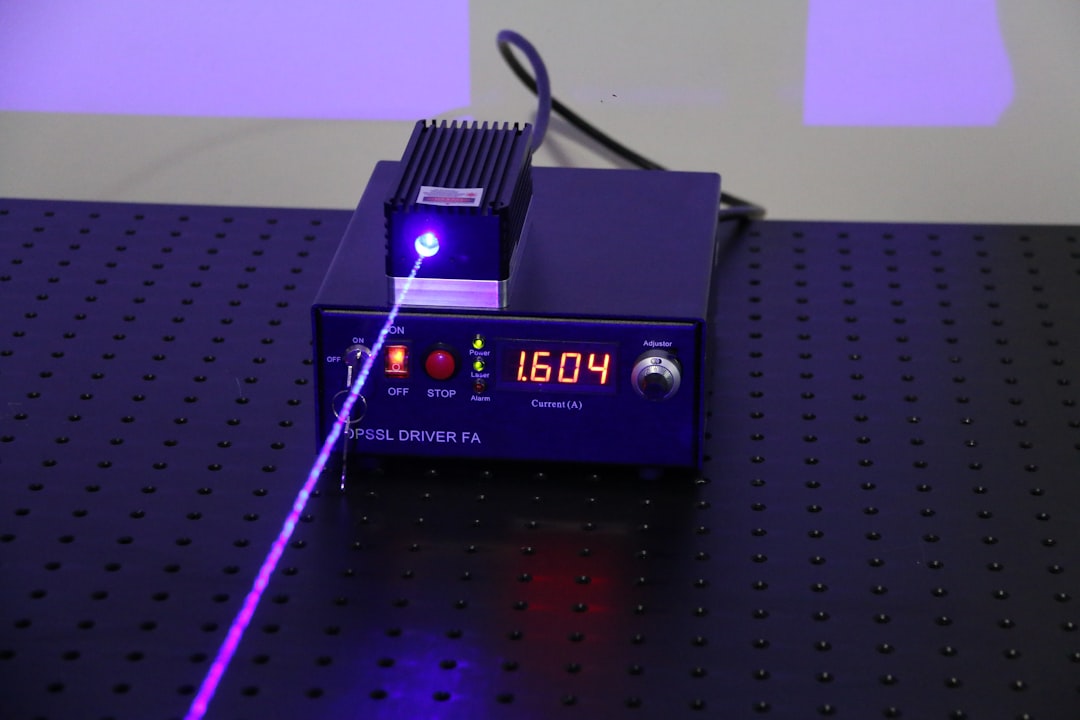
Both methods aim to reduce how much hair grows back over time, but they approach follicles in very different ways. Laser uses a concentrated pulse of light that seeks pigment in the hair shaft; electrolysis uses a fine, sterile probe to deliver energy inside the follicle one hair at a time. That single contrast explains why speed, precision, area size, and appointment style feel so different in the chair.
Laser can influence many follicles within a fraction of a second, so large areas such as legs, back, or underarms are usually faster to cover with each visit. Electrolysis works hair by hair, which makes it slower for expansive zones but extremely precise for small targets, such as a few stubborn chin hairs, delicate upper lip work, eyebrow tidying, fingers, toes, or scattered regrowth left after other methods. If you want broad thinning quickly, laser is often the volume mover. If you want meticulous detail without affecting nearby fuzz or tattoos, electrolysis is the detail artist.
Another important difference is how well each method tends to respond to hair color and skin tone. Laser relies on the contrast between the pigment in the hair and the pigment in the surrounding skin; the clearer the contrast, the easier it is for the device to send energy to the right place. Electrolysis does not depend on pigment; it can target follicles regardless of hair color, including blond, red, and gray strands that often respond poorly to light-based devices. Many people benefit from a combined plan: laser first to thin a dense area, followed by electrolysis to clear the lighter or scattered hairs that remain.
How each method works in plain language
Laser hair platforms emit light at a specific wavelength. The hair’s pigment absorbs that light, which becomes heat for a fraction of a second and disrupts structures that support future growth. Because pigment is the target, hair that is darker than the surrounding skin generally responds more predictably. That is why providers ask careful questions about your skin tone, hair color, sun exposure, and skincare actives before choosing settings. Modern systems can accommodate a wide range of skin tones with different wavelengths and pulse patterns, yet the core physics—light finding pigment—still determines what works best.
Electrolysis follows a different path. The electrologist inserts a fine probe along the hair’s natural path inside the follicle opening and applies a tiny burst of energy. A properly targeted follicle allows the hair to glide out with minimal resistance when lifted with tweezers. Multiple sessions focus on active follicles over time; as the work continues, fewer hairs tend to appear in that area. Because each follicle is addressed individually, electrolysis is valued for precision and for clearing hairs that resist light-based methods.
In practice, many people mix the two approaches. Dense areas like legs or back may be thinned with laser across several sessions, then polished with electrolysis for the strands that remain or for zones where precise shaping matters. If your goals prioritize accuracy over speed from day one—such as eyebrow edges or a few scattered facial hairs—electrolysis can be the primary method without involving laser at all.
Who typically sees stronger results with each option
People with coarse, darker hair on lighter skin often see faster progress from laser in large areas because contrast makes targeting more straightforward. That does not exclude deeper skin tones from laser; it simply means device selection, wavelength, pulse duration, skin cooling, and provider experience matter more. Long‑pulse Nd:YAG platforms, for example, are commonly preferred for deeper skin tones and are configured to respect the skin while still focusing energy where the hair is darker than surrounding tissue. For lighter hair colors—blond, red, and gray—laser responses are more variable. In those scenarios, electrolysis usually becomes the primary option.
Electrolysis is color‑agnostic and can address individual follicles regardless of pigment. If you want to shape the eyebrows precisely, clear a few persistent chin hairs, or remove strands near tattoos where you do not want light interacting with ink, electrolysis has an advantage. It also suits areas where you want fine control over what stays and what goes, such as sideburn edges or small facial zones.
Area size and density influence the decision, too. Laser tends to be more time‑efficient for legs, back, chest, and underarms, while electrolysis often shines for upper lip, areola, fingers and toes, or the final tidy‑up after an area has already been thinned. Your goals, hair density, growth patterns, and budget should guide the plan. A short in‑person assessment with patch tests usually clarifies which route is most efficient for your situation.
Skin tones, hair colors, and device selection
Good clinics do not take a one‑device‑fits‑all approach. They choose wavelengths and settings after reviewing your history and seeing your skin in real lighting. Here are practical considerations that influence device choice and settings:
- Contrast logic: Laser aims for pigment in the hair. The greater the contrast between hair and skin, the more straightforward the targeting tends to be.
- Wavelength options: Alexandrite platforms are often used on lighter skin tones; Nd:YAG platforms are commonly used on deeper skin tones. Some multi‑platform devices switch wavelengths to match different areas.
- Cooling methods: Contact cooling tips, chilled air, or cooling gel help keep sessions comfortable and support even coverage without lingering warmth.
- Texture and diameter: Coarse, dense hair absorbs more energy. Settings are often adjusted when moving from coarse to fine hair within the same area.
- Sun exposure and skincare: Recent sun exposure or strong exfoliating agents can make skin reactive. Timing matters; be honest during intake so the plan respects your routine.
With electrolysis, selection is about technique rather than wavelength. Some electrologists favor particular modalities (for example, thermolysis or blend) for certain hair types or areas. Ask how they decide which approach to use, how they sequence sessions when density is high, and how they adjust timing as density drops. The right technique plus a steady cadence often make more difference than any single brand name on the device.
Pain and sensation: what clients most often report
Sensation is subjective, which means what feels intense to one person may feel mild to another. Many people describe laser as a quick snap with a brief heat bloom that fades within seconds. Where hair is coarser and denser—underarms, bikini line—the sensation can be stronger. Cooling tips, chilled air, and short breaks help. Providers may also do a few pulses and adjust settings slightly if you are tense on the first pass.
Electrolysis has a different feel. You might notice a pinprick sensation or brief zap followed by the hair being lifted out. Areas with more nerve endings tend to feel more intense for short stretches. Many electrologists recommend applying a clinic‑approved topical numbing cream at home beforehand for certain areas if you are concerned; others will structure shorter early appointments to let you assess how your skin responds.
Simple habits influence comfort: hydrate well, have a light meal beforehand, avoid excess caffeine, and plan around your menstrual cycle if hormonal shifts make you more sensitive on certain days. The most accurate way to set expectations is a patch test—just a few pulses with a laser or a five‑ to ten‑minute electrolysis mini‑session can teach you more than hours of reading.
Safety, patch tests, and smart screening
Thoughtful screening is a safety net. Expect a questionnaire covering your medical history, medications or supplements that may increase sensitivity, recent sun exposure, self‑tanner use, tattoos near target areas, and skincare actives like strong acids or retinoids. Candor helps your provider select settings and timing that respect your skin.
Patch tests deliver big value with a small time investment. For laser, a provider places a few pulses in a discreet spot and asks you to monitor the area for 24–72 hours before proceeding across the full zone. For electrolysis, a short mini‑session lets you feel the tempo, then see how your skin settles over the next day or two. Take photos in consistent lighting for comparison, and share them if you have a follow‑up call. If something feels off, a small schedule change or setting adjustment early on can save a lot of frustration later.
Practical scheduling matters as well. Try not to stack intense workouts, hot yoga, or long outdoor days right after a session on an exposed area. Build in buffer time on your calendar so you can wear loose clothing and keep the skin protected from unnecessary friction or UV while it settles.
Session planning, calendars, and cost examples
Laser is usually priced per area with sessions spaced to follow hair growth cycles. Electrolysis is commonly billed by time in 15‑, 30‑, 45‑, or 60‑minute increments. Translating quotes into time and coverage helps you compare apples to apples. Below are non‑binding examples to illustrate the math; exact figures vary by city and provider.
- Underarms (laser): Many people are quoted a mid‑market price per session across 6–8 visits, spaced 4–6 weeks apart. Each session is brief, and coverage is consistent because the handpiece treats many follicles per pulse.
- Underarms (electrolysis): Early on, density may require 30–45 minutes weekly or bi‑weekly for the first month or two, then less time as density drops. As the area clears, you taper to shorter, less frequent appointments.
- Upper lip (electrolysis): Precision is the priority. Short, frequent sessions in the beginning tend to make more sense than one long appointment. Once density drops, spacing widens naturally.
- Legs (laser): Large surface area favors laser for time efficiency. Budget for several sessions and consider off‑season scheduling when you are indoors more often.
Ask every provider for a personalized range of sessions, not a promise. A seasoned professional will explain the factors that affect progress—hair color, density, growth cycles, device settings, cadence—and will suggest how to track milestones so you and the clinic see the same data. Consistency beats intensity; steady sessions at sensible intervals usually outperform crash plans that you cannot maintain.
At‑home devices: IPL handsets and precise work
At‑home devices appeal for convenience and privacy, and they can support visible thinning for many users with realistic expectations. Most consumer light‑based devices use IPL (intense pulsed light), not true laser. IPL emits a broad spectrum of light filtered for hair reduction. With patient, consistent use on areas like legs and underarms—following the manual carefully—many users notice slower regrowth and softer feel.
Remember the same contrast logic applies: IPL tends to work best when hair is darker than the surrounding skin. Power and skin monitoring are more limited than clinical platforms, so take a conservative approach. Patch‑test a small, discreet area; log the date, setting, and skin response for 48–72 hours; then expand slowly if your skin settles comfortably. Keeping a simple usage log in your phone notes prevents over‑use and helps you stick to a cadence.
At‑home electrolysis pens exist, but precise insertion along the natural follicle path requires training and a steady hand. It is easy to miss the angle, dwell at the surface, or irritate the skin with repeated attempts. For most people—especially on the face—professional electrolysis is a better fit for comfort and control. Use home tools as light support only when you feel confident you understand their limits.
Pre‑session prep checklist
Simple preparation habits support comfort and a calm response. Use this checklist the day before and the day of your session:
- Limit sun exposure on target areas for at least two weeks, and skip tanning beds. If you caught more sun than expected, tell your provider and consider rescheduling.
- Avoid self‑tanners on areas you will work on. If you used one recently, disclose the date so settings or timing can be adjusted.
- Pause strong exfoliating acids and retinoids on the target area a few days beforehand unless your provider advises otherwise. The goal is calm, balanced skin on session day.
- For laser, shave the area 12–24 hours before your appointment so the light interacts with the follicle rather than hair above the skin. For electrolysis, follow your electrologist’s guidance; some prefer a short visible length so they can identify and work each follicle.
- Arrive with clean, product‑free skin (no deodorant, lotions, perfume, or makeup on the target zone).
- Hydrate, have a light meal, and go easy on caffeine. Many people report a milder feel when the body is rested and fueled.
- Wear loose, breathable clothing that will not rub the area afterward. Think soft waistbands and open sleeves for underarms.
Aftercare that keeps skin calm
The most common post‑session response is mild redness and warmth that fades on its own. A simple aftercare routine helps you feel comfortable while your skin settles:
- Use a cool, clean compress or a cool pack wrapped in cloth for short intervals. This can take the edge off warmth without stressing the skin.
- Apply a bland, fragrance‑free moisturizer or aloe‑based gel. Ingredients like panthenol and glycerin feel soothing for many people.
- Skip hot showers, saunas, and intense workouts for a day. Heat and friction are not your friend during this short window.
- Hold off on scrubs, peels, retinoids, or strong fragrances on the area until any redness resolves.
- On exposed areas, use broad‑spectrum SPF and clothing to lower UV exposure while the skin is settling.
- Avoid picking, scratching, or tweezing. If your provider says shaving between laser sessions is okay, keep it gentle with a fresh, clean blade and light pressure.
If anything seems unusual for your skin—swelling that does not settle, new spots that worry you, or increased sensitivity—contact your provider for tailored guidance and consider in‑person advice from a qualified professional.
Ingrown hairs: lower the likelihood and calm flare‑ups
Ingrown hairs occur when a hair curls back or has trouble emerging, creating a small bump that can feel tender. They can follow any hair‑removal method. The aim is to lower the chance of flare‑ups and to care for skin gently when they appear.
Habits that may help reduce frequency include keeping the skin comfortably moisturized, wearing breathable fabrics that do not trap sweat and friction, and—once the area has fully settled—using a mild chemical exfoliant a few times per week (products with gentle lactic or polyhydroxy acids are popular). If you shave between laser sessions, use a clean blade, light pressure, and rinsing that leaves no residue.
For occasional bumps, warm compresses can soften the surface, helping the hair emerge on its own. A light application of a mild exfoliating toner on the spot (after the area has calmed from a session) can reduce visible roughness over a few days. If you notice recurring patterns in a specific place, share photos with your provider so they can adjust spacing, technique, or aftercare suggestions.
Choosing a qualified provider and asking smart questions
Experience and process matter as much as equipment. Look for providers who maintain clean, well‑organized spaces, discuss device choices clearly, and welcome your questions. During consultations, consider asking:
- Which device or modality will you use for my skin tone and hair color, and why is it a good match?
- What session spacing do you recommend for this area, and what signals tell us to adjust the cadence?
- Can we do a patch test first and review the response before committing to a full plan?
- How do you schedule around sun exposure, skincare actives, and travel or event timelines?
- What range of sessions should I budget for, and how will we measure progress together?
Pay attention to how the provider responds. Clear answers, a willingness to set ranges instead of promises, and a structured approach to patch testing are trust signals. Be wary of high‑pressure sales tactics, reluctance to answer questions about settings, or a rush to start without reviewing your history. For more background reading and step‑by‑step care checklists, browse our other depilation articles.
Maintenance and long‑term expectations
Hair growth is influenced by genetics, hormones, age, and body region, which is why reputable providers avoid absolutes. Most people seeking long‑term reduction commit to a sequence of sessions followed by periodic touch‑ups. With laser, touch‑ups might be seasonal or annual in areas where fine new hairs appear over time. With electrolysis, you may book occasional refinements as you notice individual hairs you want cleared.
Tracking helps you see progress clearly. Take photos in similar lighting and angles before you begin, then after milestones. Note how often you shave or trim between visits and how the overall density changes. The signs you will notice in daily life—quicker showers, softer regrowth, fewer wardrobe adjustments—often tell the story better than a mirror check right after a session.
Protect your consistency. It is tempting to accelerate timelines, but the body’s rhythms respond better to steady spacing and gentle care. Think in seasons, not days; realistic pacing plus respectful aftercare is a dependable route to results you feel good about.
Putting it together: sample routes you can follow
If you are undecided, use this two‑step experiment to gather data from your own skin rather than relying on anecdotes. First, book two consultations: one at a clinic offering several laser wavelengths and one with a certified electrologist. Second, request patch tests at both and give each area 48–72 hours to settle. Compare how you felt during the mini‑sessions, what the skin looked like afterward, and how knowledgeable and attentive the staff felt. Price out the first three months of each plan and see which option aligns with your calendar and budget.
Practical examples can help:
- Large area first, detail later: Use laser on legs or back across several months to thin density, then book electrolysis for fine hairs that remain on edges or sensitive zones.
- Precision‑only plan: If you have a handful of facial hairs that bother you, start directly with electrolysis and schedule short, frequent sessions at first, tapering as density drops.
- At‑home support between visits: If your provider says it is appropriate for your skin and hair, and you have clear contrast, use an IPL handset conservatively on legs or underarms to extend spacing between clinic visits. Keep a usage log, patch‑test new settings, and stop if your skin seems unhappy.
Finally, ask yourself which experience you are more likely to continue without stress. A method is only effective if you can stick with it. Choose the plan that feels manageable, aligns with your goals, and respects your skin. With realistic expectations, consistent scheduling, and simple care routines, you can make steady progress and reclaim time from daily shaving, plucking, or waxing.