This practical bone health guide for adults brings together food choices, movement ideas, and daily habits that may support resilient bones over the long haul. It is designed for everyday use: clear steps, realistic examples, and checklists you can copy into your routine.
How bones actually work and why that matters
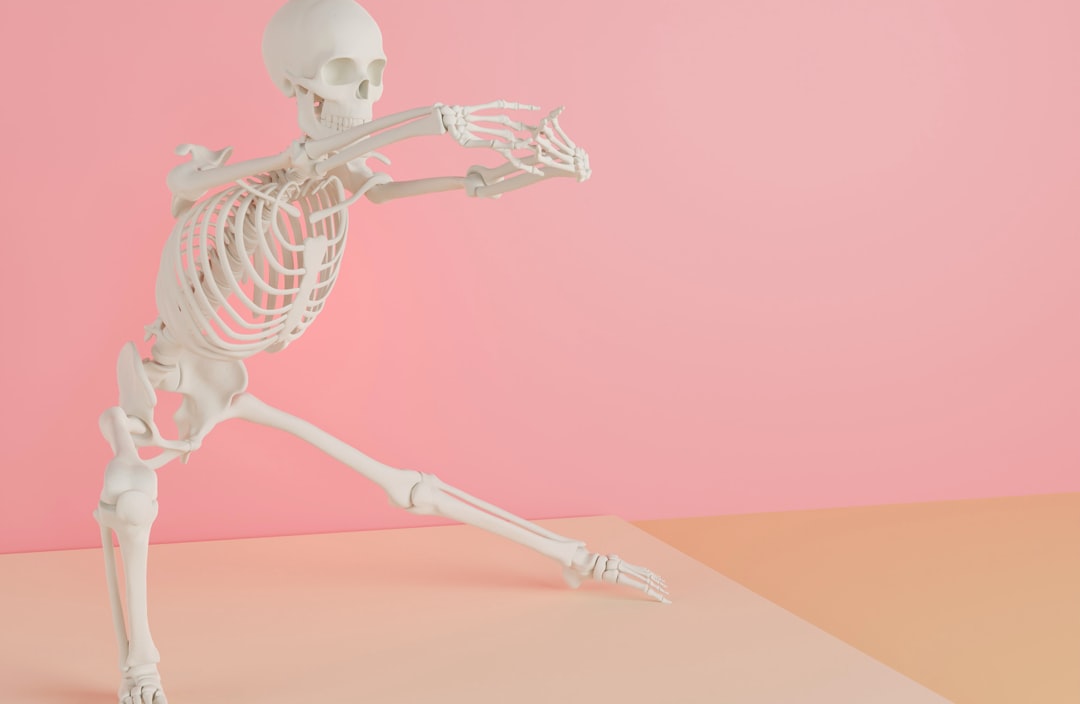
Bones are living tissue. They are not static beams; they remodel constantly. Specialized cells break down older bone while other cells lay down fresh mineralized matrix. This ongoing exchange is influenced by the force your skeleton experiences, your nutritional intake, your sleep and stress patterns, and many other lifestyle factors. That is good news, because everyday choices can nudge the balance toward sturdier structure over time.
There are three simple ideas to keep in mind as you read the rest of this guide:
- Load signals growth. When muscles tug on bone or you land from a step, the skeleton senses that force and adapts to carry it better next time.
- Nutrition supplies building blocks. Minerals and protein provide the materials for repair and renewal.
- Recovery time consolidates gains. Tissues adapt between sessions. Consistent sleep and sensible rest days matter.
Bone health conversations often focus on a single ingredient or magic move. In reality, sturdiness tends to come from the sum of small, repeatable behaviors done most days. This section gives the science in plain language so you can connect the dots when you choose meals, plan workouts, or organize your home and work life.
Using this bone health guide for adults in daily life
There is enough information on bone care to fill a library, so this guide keeps things practical. Use the following approach to convert ideas into action:
- Pick one area at a time: food, movement, home setup, or routines. Add one change, keep it for two weeks, then consider the next.
- Track with simple notes. If an idea feels cumbersome after a week, shrink it until it fits easily into your day.
- Think in rhythms. A few short movement sessions across the week, daylight exposure when available, and bone-friendly meals most days add up.
If you like reference material, bookmark your favorite parts or print the checklists. If you prefer conversation, discuss these ideas with a qualified health professional who knows your history and goals. And if you need more educational articles on healthy living, you can explore resources at HealthOrgs.
Daily nutrition that supports sturdy bones
Food is the quiet backbone of bone care. You don’t need elaborate rules; you need reliable building blocks. Consider the following principles when planning meals:
- Protein with most meals. Bone is roughly one-third protein by mass. A general target many adults find workable is to include a palm-size portion of protein at two or three meals per day, adjusted for appetite and activity level. Options include fish, poultry, beans, lentils, soy foods, dairy or fortified alternatives, eggs, and lean meats.
- Calcium from foods you enjoy. Dairy foods provide a concentrated source, but there are many alternatives: calcium-set tofu, fortified plant milks, sardines with soft bones, collard greens, kale, almonds, and sesame seeds. If you use fortified foods, glance at the label to understand the amount per serving and how it fits your day.
- Vitamin D awareness. This nutrient helps the body use calcium effectively. Sunlight exposure contributes, as do foods like fatty fish and fortified milks. Daylight access varies by season and location, so some adults discuss supplemental options with a clinician. If you live at a high latitude or spend most time indoors, thoughtful planning around vitamin D sources is especially helpful.
- Color matters. Vegetables and fruits supply potassium and polyphenols that support overall balance. Think in colors: greens (bok choy, kale), oranges (squash), reds and purples (berries, beets). Aim to fill half your plate with produce most days.
- Hydration and balance. Fluids help maintain overall comfort during activity. Choose water, unsweetened tea, or milk/fortified alternatives as your main drinks.
Example day: oatmeal cooked with milk or a fortified alternative, topped with almonds and blueberries; lunch with a bean and veggie bowl plus a side of yogurt; dinner with grilled salmon or tofu, roasted vegetables, and a whole grain. Dessert could be fruit or a small square of dark chocolate. The key is consistency, not perfection.
Beyond calcium: the supporting cast of nutrients
It is easy to focus solely on calcium and forget the wider cast. Bones are living tissue embedded in a broader system, so a few other nutrients deserve attention:
- Magnesium. Found in nuts, seeds, legumes, whole grains, and leafy greens. Many people fall short when their diet is light on these foods. Sprinkle pumpkin seeds on salads, choose whole grain breads, or add a side of beans more often.
- Vitamin K. Especially abundant in leafy greens such as kale, spinach, collards, and in fermented foods like natto. Regularly including greens is a simple way to support a balanced diet.
- Potassium. Present in potatoes, bananas, oranges, beans, and dairy. It contributes to overall mineral balance in the diet.
- Phosphorus. Naturally present in protein-rich foods such as dairy, meats, legumes, and nuts. In most balanced diets it takes care of itself.
- Zinc and trace elements. Shellfish, meats, seeds, and whole grains provide zinc. Variety across the week helps cover small but meaningful needs.
Nutrient tables can seem abstract, so connect them to habits. Try a weekly staple such as a bean-and-greens soup, a spinach and cheese omelet, or a tofu stir-fry with broccoli and sesame. Combine produce with proteins and whole grains, and you’ll naturally assemble a plate that supplies materials your bones use.
Smart movement: loading, impact, balance, and mobility
Movement is where bone receives its marching orders. You can think in four categories, each adding a different message to your skeleton:
- Weight-bearing cardio. Brisk walking, hiking, stair climbing, low-impact dance, or light jogging if comfortable. These activities send ground-reaction signals through your legs and hips.
- Resistance training. Bands, dumbbells, barbells, kettlebells, or bodyweight moves like squats and push-ups. Resistance magnitudes can be adjusted to your comfort and experience. Even starting with very light loads builds coordination and confidence, then you can progress gradually.
- Power and impact (as appropriate). Short, controlled hops, step drops, or quick rises from a chair introduce gentle impact and rate-of-force elements that bones respond to. If you are new to these, practice under guidance or start with the mildest version (for example, heel raises progressing to small two-footed hops on a soft surface).
- Balance and mobility. Single-leg stands, tandem walking, yoga flows, and ankle/hip mobility work enhance stability and joint comfort, which makes everything else safer and more enjoyable.
How might a week look? One common rhythm is 3 movement blocks across seven days:
- Day 1 (Strength focus): Warm-up walk, then lower-body resistance (squats or sit-to-stands, hip hinges or bridges, calf raises), upper-body pulls and pushes (rows, wall or counter push-ups), plus a balance drill.
- Day 3 (Cardio + balance): 30–45 minutes of brisk walking or hiking with a few stairs or hills if available, then 5 minutes of single-leg stands and ankle mobility.
- Day 5 (Strength + small impact): Repeat core strength lifts with gentle two-footed hops or quick step-ups if comfortable, or simple power moves like a fast sit-to-stand. Finish with a hamstring and calf stretch.
On other days, sprinkle in mini-sessions: short walks, taking stairs, a few band rows, or a one-minute balance drill while brushing your teeth. Choose a progression that respects your current capacity. If you have pain, injuries, or specific questions, seek tailored guidance from a qualified professional.
Home and workplace habits that help bones without much thought
Life is busy; clever tweaks save energy. Consider the following low-friction changes:
- Make loading automatic. Put a light kettlebell, resistance band, or step platform near where you watch TV. During a show, do a set of calf raises or band rows. Place a pull-up assistance band on a door anchor for quick upper-back work.
- Build a step culture. Choose stairs for one or two flights by default, keep walks social by pairing them with short calls or podcasts, and arrange your parking to add a few minutes of walking.
- Create a daylight micro-routine. If practical and safe, step outside for a few minutes during lunch breaks. Light exposure supports vitamin D strategy and general well-being.
- Kitchen mise en place for bones. Keep canned salmon, beans, and boxes of fortified milk alternatives stocked. Pre-wash greens and store them where you will see them first.
- Balance stations. Add small prompts: a line of tape on the floor for tandem walking or a sturdy chair for single-leg stand support. A minute here and there adds up.
These habits are about friction. If your tools are in sight and the first step is easy, you are more likely to act. Design your spaces to invite small choices that support your skeleton and your overall comfort.
Life stages and contexts: what to emphasize now
Our routines change across life, but the principles hold. Below are suggestions many adults find useful, organized by broad stages. Consider them starting points, then personalize as needed.
- 20s and 30s: This is a prime window to bank bone-friendly habits. Emphasize progressive resistance training and weight-bearing cardio, keep protein and calcium sources steady, and build a weekly rhythm you can carry forward.
- 40s and 50s: Maintain strength while paying a little more attention to recovery. Add specific balance drills and mobility work. If your schedule compresses, focus on two solid strength sessions and frequent short walks.
- 60s and beyond: Strength, balance, and confidence are central. Keep resistance training in the plan—lighter loads performed consistently can maintain muscle and support daily tasks. Make home and walking environments as steady and well-lit as possible. Consider group classes or supervised sessions if they make consistency easier and more enjoyable.
Life context matters as much as age. Night-shift workers, frequent travelers, and caregivers face real constraints. The key is to shrink the plan until it fits the current season, not to abandon it. A 10-minute walk, two sets of sit-to-stands, or a quick bean-and-greens meal still move the needle.
Conversations with clinicians: building a personal plan
Educational guides are helpful, but personal health decisions deserve individual advice. If you want clarity on your current status or whether a supplement or specific exercise plan fits you, speak with a qualified clinician or a registered dietitian who can look at your history, medications, and goals. Bring a short list of questions and a snapshot of your routine (how you eat, how you move, and what your days look like). That context helps professionals tailor guidance and set milestones that feel realistic.
Some adults also discuss lab checks related to nutrients or talk about bone density scans as part of a broader wellness picture, especially when age, family history, or prior concerns raise questions. The aim is insight, not labels—information that helps you choose supportive habits with more confidence.
Bone-friendly kitchen: shopping list and a simple 7-day menu sketch
Use this flexible list to streamline grocery runs. Mix and match items you enjoy.
- Proteins: Greek yogurt or fortified alternatives, cottage cheese, milk or fortified plant milks, eggs, tinned salmon or sardines, tofu/tempeh, beans and lentils, chicken or turkey, lean beef or pork.
- Produce: Leafy greens (kale, collards, spinach), cruciferous veggies (broccoli, bok choy), berries, oranges, bananas, sweet potatoes, tomatoes.
- Grains and starches: Oats, whole grain bread, brown rice, quinoa, potatoes.
- Nuts and seeds: Almonds, walnuts, chia, sesame, pumpkin seeds.
- Flavor and extras: Olive oil, herbs and spices, cocoa powder, dark chocolate, canned tomatoes.
Seven-day sketch (adjust portions for your hunger and activity):
- Day 1: Oats with milk or a fortified alternative, almonds, and berries; lentil soup with whole grain bread; salmon with roasted broccoli and potatoes.
- Day 2: Yogurt parfait with fruit and chia; bean and rice bowl with greens; tofu stir-fry with bok choy and sesame.
- Day 3: Veggie omelet and toast; turkey sandwich with tomato and greens; chili with beans, plus a side salad.
- Day 4: Smoothie (milk or fortified alternative, banana, spinach, nut butter); quinoa salad with chickpeas; baked chicken thighs, sweet potatoes, and kale.
- Day 5: Cottage cheese and fruit; sardines on whole grain crackers with sliced tomato; pasta with tomato sauce, grated cheese, and roasted vegetables.
- Day 6: Pancakes with yogurt and berries; leftover chili with extra greens; tofu and vegetable curry over rice.
- Day 7: Scrambled eggs with spinach; hearty salad with beans, nuts, and a grain; homemade pizza night with extra veggies.
Cooking once, eating twice reduces friction. Batch-cook a soup or chili, roast a big tray of vegetables, precook grains, and wash greens so that midweek meals assemble quickly. Keep calcium-set tofu and fortified milks in regular rotation, and rotate proteins to cover trace nutrients over time.
Weekly movement templates: three levels to choose from
If you want a ready-made map, try one of these three levels and adjust as you go:
- Starter (2–3 days/week): Two full-body resistance sessions (20–30 minutes) with squats or sit-to-stands, rows, overhead press or wall push, hip hinges or bridges, and calf raises. Add 20–30 minutes of brisk walking on a separate day. Include 5 minutes of balance on at least two days.
- Builder (3–4 days/week): Two strength days as above. Add a short power element (fast sit-to-stands or small hops if comfortable). One longer weight-bearing cardio session (40 minutes), one shorter session (20 minutes). Balance and mobility most days for 5–10 minutes.
- Advancer (4–5 days/week): Two to three strength sessions with progressive loads, one interval-style walk (1 minute brisk, 1 minute casual repeated), and one hike or stairs day. Include specific single-leg drills and ankle/hip mobility. If everything feels good, sprinkle in low jumps or quick step-ups.
Each level can be shortened or expanded. The aim is sustainability: sessions you can repeat next week and next month, with small increases in complexity as you feel ready. Quality of movement and comfort come first. If you are uncertain about technique, consider a session with a coach or physical therapist who can suggest variations that suit you.
Tracking progress without turning your life into a lab
Data helps when it nudges you to keep going without taking over your life. Simple, low-effort metrics often do the job:
- Movement streaks: Mark a calendar for the days you complete a walk, a strength session, or your balance practice. Streaks build momentum.
- Capacity markers: Record how many sit-to-stands you can do in 30 seconds or how long you can hold a single-leg stand. Recheck monthly.
- Routine photos: Snap a picture of one bone-friendly meal per day for a week. It reinforces habits and shows variety.
- Energy and comfort: Jot down a quick note about how you feel during daily tasks like climbing stairs or carrying groceries. Subjective improvements count.
Progress is rarely linear. Expect plateaus and dips and keep the long view. When life gets messy, shrink the plan rather than pausing altogether. Two sets instead of three, 10 minutes instead of 30, or a simple bean-and-greens meal instead of a full recipe keeps the habit alive.
Common myths and clearer ways to think about them
Bone care attracts strong opinions. Here are a few widespread ideas, reframed with practical logic:
- “Only calcium matters.” Calcium is important, but bones depend on protein, vitamin D, and other nutrients, plus movement stress that signals adaptation. Think ecosystems, not single switches.
- “Cardio is enough for bones.” Walking is great for overall well-being and sends helpful signals to the legs and hips. Yet resistance and brief power elements add messages that walking alone does not deliver. A mixed menu works best for many adults.
- “Heavy loads are the only path.” Heavier loads create strong signals, but quality movement with progressive challenge—within comfort—works for many people. Volume, tempo, and technique matter alongside load.
- “Supplements replace food.” They can be a tool in certain contexts, especially when access to vitamin D or calcium-rich foods is limited. Food variety still brings a wider set of nutrients and is usually the foundation.
When evaluating claims, ask: does this idea fit with how bones remodel, does it respect my current context, and can I repeat it week after week? Practical thinking usually outperforms perfection chasing.
Travel, busy weeks, and other real-life hurdles
Plans meet reality. Here are low-effort strategies for turbulent weeks:
- Packable movement kit: A light resistance band, a pair of grippy socks, and a short list of bodyweight drills (sit-to-stands, wall push-ups, rows with a band around a sturdy object, calf raises, and single-leg balance). Ten minutes in a hotel room goes a long way.
- Convenience foods with purpose: Shelf-stable milk or fortified alternatives in single servings, tuna packs, canned beans, instant oats, and nuts. Combine into quick meals that supply protein and minerals.
- Micro-sessions: If back-to-back meetings fill the day, use 2–3 minute blocks for stair climbs, calf raises, or a few squats. Sprinkle throughout the day.
- Sleep prioritization: Bone-friendly behaviors land better on a rested system. If time is tight, trim a session slightly to protect sleep.
You can carry these strategies into holiday seasons, project sprints, or caregiving stretches. The theme: flexible persistence.
Quick checklists you can copy
Copy these into a notes app or onto a fridge magnet. The goal is convenience.
Daily Bones Basics (aim for most days):
- Protein at two or three meals
- A calcium source you enjoy (dairy or fortified options, tofu, fish with soft bones, greens)
- 10–30 minutes of weight-bearing movement (walk, stairs, hike, dance)
- 1 small resistance or balance block (5–10 minutes)
- Color on the plate (vegetables or fruit)
- Brief daylight exposure when practical and safe
- Hydration: water, tea, or milk/fortified alternative
Weekly Rhythm:
- 2 resistance sessions (full body) ✔
- 1–2 weight-bearing cardio sessions ✔
- 4+ balance/mobility micro-sessions ✔
- Batch-cook one bone-friendly staple ✔
Home Setup:
- Band, step, or light weight visible and ready
- Greens washed and placed at eye level in the fridge
- Fortified milk alternative or dairy on the shopping list
- Lighting and rugs arranged for stable footing
When in doubt, shrink the task: one set instead of three, five minutes instead of twenty, a sandwich with greens instead of a full recipe. The habit is the point.
Putting it together: a simple action plan for the next two weeks
Pick one item from each category and commit to it for 14 days. After that, keep what felt easy and add one new element.
- Food: Add one calcium-rich item you enjoy every day (yogurt, fortified milk, tofu, sardines, or greens). Pair with a palm-size portion of protein at lunch.
- Movement: Two 25-minute strength sessions plus two 30-minute walks. Add a one-minute single-leg balance drill on four days.
- Home: Place a resistance band next to the couch and a step platform near a frequently used door. Keep greens washed and visible.
- Tracking: Check a box on a calendar for each session completed. Take a photo of one bone-friendly meal each day.
In two weeks, review what worked and what didn’t. Keep the easiest wins and set one new target—perhaps increasing the difficulty of a lift, adding a small power element, or testing a new recipe. Steady rhythms, not dramatic overhauls, tend to build structures that last.
Bones are quietly responsive. When you provide building blocks, apply sensible loads, and give yourself time to adapt, your skeleton often responds with steady resilience. Let this guide sit on your kitchen counter or in your notes app, and revisit it whenever you want to refresh the basics.