Depilation methods work best when they match the way I live, not the way a product page imagines me. I care about how much time I have, how reactive my skin tends to be, which body area I am working on, and how much upkeep I am willing to repeat during a busy week. If I want a broader overview of the topic, I can also look at the depilation category for more related guides.
That is the real starting point. Not the trend. Not the tool that looks most polished in an ad. I have learned that the wrong routine is often the one that asks for a rhythm I cannot keep. A method can seem simple in theory and become annoying in real life if it takes too long, feels too intense, or needs more planning than my week can spare.
This guide breaks the topic into practical pieces. I compare the main depilation methods, explain where each one fits best, and show how I think about speed, comfort, cost, and upkeep. The goal is not to crown one winner. The goal is to help you choose a routine that feels realistic on an ordinary Tuesday, not just on a perfect afternoon with plenty of free time.
Depilation methods and what they actually include
When people say depilation methods, they often mean any routine that removes visible hair from the skin or close to it. In everyday use, that includes shaving, waxing, sugaring, creams, threading, tweezing, and some light-based options that sit in a different category of care. The important thing is not the label itself. It is the level of effort, the amount of precision, and the kind of upkeep that each method asks from me.
I find it useful to think about depilation in layers. Some methods work at the surface and give a fast result. Others remove hair from the root and leave a longer gap before the next session. A few are built for detail rather than coverage. Once I see those layers clearly, the choice becomes easier. I stop asking, Which one is best overall? and start asking, Which one fits this body area, this week, and this level of patience?
That shift matters because the same method can feel right in one place and awkward in another. A razor can be ideal for legs, yet annoying for tiny shape work around brows. Threading can be excellent for clean lines, yet inefficient for large areas. Creams can feel convenient, yet they still need careful timing and a small test on a discreet spot if my skin is unsure about the formula. Every option has a use case. None of them wins in every situation.
Here is the basic map I use when I compare depilation methods:
| Method | Main strength | Main tradeoff | Best fit |
|---|---|---|---|
| Shaving | Fast and easy | Needs frequent upkeep | Large areas and busy schedules |
| Waxing | Longer gaps between sessions | Can feel intense | People who like less frequent upkeep |
| Sugaring | Controlled application | Needs practice | People who prefer a more tactile routine |
| Creams | Low skill and simple timing | Some formulas do not suit every skin type | Quick at-home use |
| Threading and tweezing | Precision | Too slow for broad coverage | Brows and detail work |
That table is not a ranking. It is a shortcut for matching tool to task. Once I use that lens, I stop expecting one routine to solve every need. Instead, I build a small toolkit and use the right option for the right area.
Start with the body area, not the trend
The fastest way to choose badly is to start with a trend. The better question is where on the body I want the result. Legs, underarms, brows, upper lip, chin, and the edges around a beard line all ask for different levels of control. A method that feels perfect on a large, flat area can feel clumsy on a small shape-sensitive zone.
For legs, speed matters. I want something that covers a lot of skin without turning the session into a long project. That is why shaving often stays popular there. For brows, precision matters more than speed. A few millimeters can change the shape, so threading or tweezing can make more sense. Underarms sit somewhere in between. The area is small, but the routine still needs to fit a busy schedule. Many people choose whatever lets them finish quickly without extra fuss.
Area also changes how I think about repeat upkeep. If a body area grows hair in a pattern that shows quickly, I may prefer a method that is easy to repeat. If I care more about spacing out sessions, I may choose something that lasts longer between appointments. That is why the same person may use one method for legs, another for brows, and a third for a quick tidy-up before travel. It is not inconsistency. It is just matching the task to the tool.
I also look at clothing and friction. An area that rubs against fabric more often may feel different after a session than a low-friction area. That does not mean one method is wrong. It means the routine around it should be sensible. Loose clothing, fewer extra products, and a calmer schedule can matter more than people expect.
A simple body-area checklist helps me decide:
- Is this a large area or a detail area?
- Do I care more about speed or shape?
- Do I want a routine I can repeat often?
- Will this area feel better with a gentler session or a faster one?
- Do I have enough time to do the method carefully?
Once I answer those questions, the right choice is usually obvious. The trend matters less than the map of the body in front of me.
Shaving for speed and flexibility
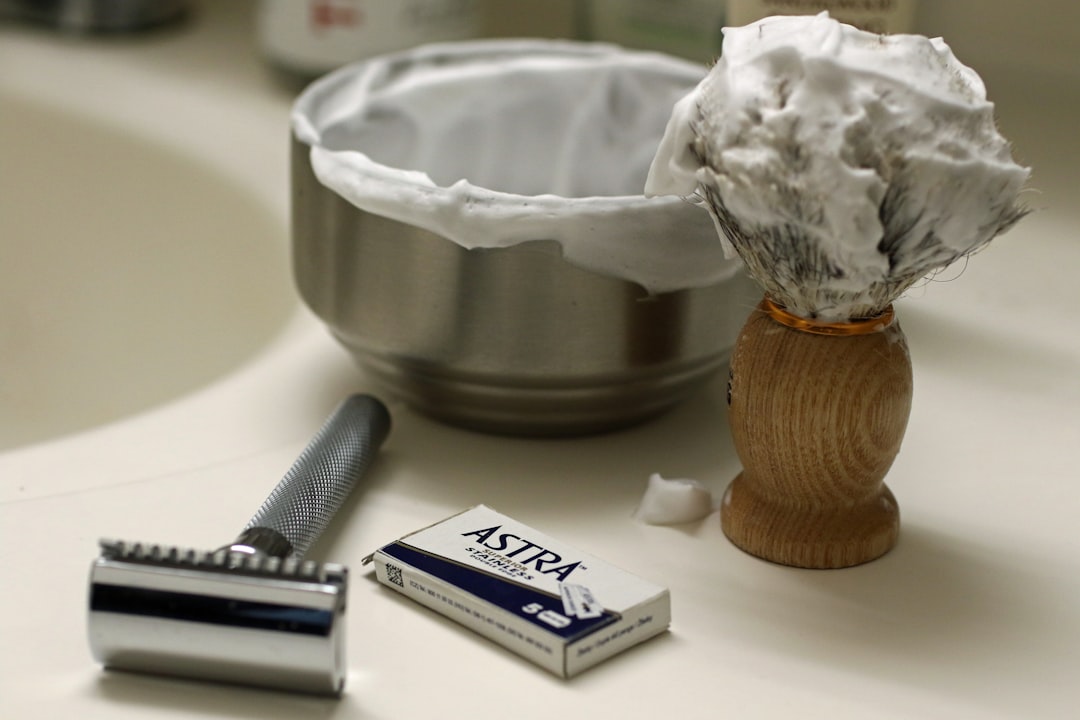
Shaving is the method I reach for when speed matters. It is easy to start, easy to repeat, and easy to fit into a short morning window. I do not need a long setup. I need a clean razor, enough slip from water or cream, and a steady pace. That makes shaving especially useful for large areas or for days when I want a quick reset before work or an event.
The tradeoff is simple. The smooth feeling does not last as long as some other methods, so I may need to repeat the routine more often. That is not a flaw. It is just the exchange I make for speed and control. If I want a method I can finish fast and manage on my own schedule, shaving stays hard to beat.
Technique matters more than people think. Light pressure helps. Short, steady passes help. Cleaning the blade often helps. I also pay attention to the direction and the shape of the area. Rushing across the same spot again and again is usually what makes the session less pleasant. The blade should glide, not scrape. If I feel myself pushing harder to get the result I want, I stop and reset the setup.
Shaving works well when I keep the routine simple. Warm water can help soften the skin and hair. A simple gel or cream adds slip. A dull blade changes the whole experience, so I replace it before it starts tugging. After the session, a plain moisturizer or another gentle product can help the skin feel settled if that is part of my normal routine.
Here is why many people keep shaving as their default:
- It is fast enough for busy mornings.
- It works well on broad areas.
- It gives immediate visible change.
- It is easy to repeat without planning days ahead.
- It does not require special tools beyond a good razor and basic glide.
Shaving is best when convenience matters more than long gaps between sessions. If I am looking for a routine that behaves well in real life, that kind of flexibility is often enough.
Waxing and sugaring when longer gaps matter
Waxing and sugaring appeal to me for a different reason. They usually give a longer stretch before the next session feels necessary. For people who dislike frequent upkeep, that can be the deciding factor. The session itself takes more focus than shaving, but the payoff is a longer break from the routine.
Waxing is widely known and often easy to find in salons. Sugaring has a different feel and a different texture, and some people like the control it gives during application. I think of them as cousins, not twins. Both remove hair from the root, but the process and the sensation can differ. That is why personal preference matters so much here. One person may love the predictability of one and dislike the feel of the other.
These methods reward preparation. Clean skin helps. Enough time helps. Rushing rarely helps. If I am doing the work at home, I want to follow the product instructions carefully instead of improvising. If I am going to a professional, I want to ask about timing, the type of skin they are used to working with, and how they handle the body area I care about most. Good guidance is more useful than generic advice.
I also think about the timing of the session. If I have a packed day ahead, I do not want to squeeze a more involved routine into a ten-minute gap. A calmer schedule gives me better control over the process and the aftermath. Loose clothing after the session can make the rest of the day feel easier, especially on areas that rub against fabric.
Waxing and sugaring tend to fit people who value a longer gap between sessions more than a very quick start. They are useful when the main goal is not speed but spacing. That difference is easy to overlook, yet it is the reason some people love the routine and others ignore it. The method itself is not the story. The rhythm is.
Good questions to ask before choosing this route:
- Am I comfortable with a more involved session?
- Do I want a longer gap between upkeep sessions?
- Can I schedule enough time without rushing?
- Do I want a professional session or a home routine?
- Does this fit the area I am working on?
If the answer is yes more often than no, waxing or sugaring may fit the way I live better than the faster surface-level options.
Creams and other simple at-home options
Creams appeal to me when I want low skill and a simple sequence. I apply the product, wait the instructed amount of time, and remove it in the way the directions describe. That sounds basic, and that is the point. There is less hand technique involved than with a blade, thread, or root-based method.
The part I respect most is the label. Product timing matters. Leaving the formula on longer does not improve the result. It usually makes the experience worse. I also like to keep the routine conservative the first time I try a new formula. A small test on a discreet patch can tell me far more than guesswork. Different formulas behave differently, and not every skin type enjoys the same ingredients.
These products can be very convenient on larger areas because they reduce the need for hand skill. They are also useful when I do not want blade friction or a more involved session. But convenience does not replace attention. I still need a clean setup, a timer, and a clear plan for cleanup. If I stack several strong products or fragrances into the same day, I make the routine harder to read and more difficult to manage.
What I like most about creams is predictability when I respect the instructions. What I dislike is guessing. Once I start guessing, I lose the benefit. That is why this method works best for people who are willing to follow directions closely and keep the routine plain. It is not a flashy option. It is a practical one.
Useful habits for creams and similar at-home options:
- Read the instructions every time.
- Use a timer, not a rough guess.
- Try a small patch before a larger area.
- Keep the rest of the routine simple.
- Do not add extra strong products on the same day if the skin already feels worked over.
For people who value convenience and do not want much technical skill, creams can be a solid part of the routine. The method is simple, but only when the instructions get real respect.
Threading and tweezing for detail work
Threading and tweezing are the detail tools in my toolkit. They are not built for broad areas. They are built for precision. That is why they make so much sense for brows, small shape corrections, and a few isolated hairs that stand out in the wrong place. If I need a clean line, these methods can be more useful than anything larger or faster.
Threading uses a twisted thread to remove hair with control along a narrow line. Tweezing uses a single tool to manage one hair at a time. Both methods ask for a steady hand and good light. They reward patience. They punish haste. That is why they feel different from shaving. I am not just removing hair. I am shaping a line, balancing symmetry, or cleaning up a small zone with intention.
For brows, that level of control matters a lot. A tiny change can affect the whole face. For upper lip areas or chin details, a small, deliberate routine can feel more useful than a broad method. But these tools are not the answer when the area is large. If I try to make them do a big job, I turn a precision tool into a chore.
I like to keep tweezing for follow-up work. It is useful when I only need to manage a few hairs after using another method elsewhere. Threading can be the better pick when I want a cleaner line across a small, visible area. Neither one is about speed. They are about control.
A practical way to use them:
- Use threading for clean lines and small shape work.
- Use tweezing for isolated hairs and follow-up details.
- Use good light and a calm setup.
- Do not ask them to handle a large area.
- Combine them with another method when the body area demands it.
These methods matter because not every grooming problem needs a broad answer. Sometimes the best answer is simply a precise one.
Comparing comfort, cost, speed, and control
When I narrow down depilation methods, I usually compare four things at the same time. Comfort, cost, speed, and control. If I only think about one of them, I can make a choice that looks good on paper and feels annoying in practice. A method that is cheap can take too long. A method that is quick can ask for more upkeep. A method that is precise can be too slow for large areas.
Comfort is personal. Two people can use the same method and describe the experience very differently. Cost is more concrete, but I still need to think long term. A cheaper routine may need more frequent repeat sessions. Speed is obvious in the moment, yet the next session matters too. Control covers shape, line, and the amount of precision I want on a specific body area.
Here is the comparison I return to again and again:
| Method | Comfort | Cost | Speed | Control |
|---|---|---|---|---|
| Shaving | Usually comfortable when the blade is sharp and the glide is good | Low to moderate | High | Good for broad areas |
| Waxing | More intense for many people | Moderate to high | Moderate | Good for larger areas and shape lines |
| Sugaring | Varies with technique and skin response | Moderate to high | Moderate | Strong once the technique is learned |
| Creams | Varies by formula | Low to moderate | High | Moderate |
| Threading and tweezing | Focused rather than broad | Low if self-done, moderate if done professionally | Low for large areas, high for tiny areas | Excellent |
That table gives me a frame, but the real answer is always personal. A method can score well across the board and still feel wrong for my routine. That is why I weigh the category and the body area together instead of making a decision from one feature alone.
Before and after: the routine around the method matters
The method itself is only part of the story. The routine around it changes how the session feels and how the skin settles afterward. I get better results when I prepare with calm, clean steps and give the skin a little breathing room once I am done.
Before a session, I want clean skin, good light, and enough time. Rushing is the enemy of a smooth routine. If I cannot see the area well, I fix the lighting. If I am distracted, I wait. If the product directions are specific, I follow them. This is where a lot of avoidable trouble begins: not with the method, but with a messy setup.
After the session, I keep the routine plain. A gentle moisturizer can help if my skin likes it. Loose clothing can reduce friction on areas that feel worked over. If I am using multiple products, I keep them simple and familiar so I can tell what actually helps. The more I pile on, the harder it becomes to read what the skin is telling me.
A basic pre-and-post routine looks like this:
- Clean the area and dry it fully.
- Set up good light and enough time.
- Use the chosen method with steady movement.
- Check the result in the mirror before moving on.
- Apply a simple aftercare product if it suits your skin.
- Give the area a quieter stretch of time before clothing friction or extra products.
I keep coming back to the same idea. A good routine is not only about removal. It is about reducing friction around the process. That is what makes the result feel easier to live with.
Common mistakes that make the result rougher
Most rough experiences come from a handful of repeatable mistakes. The method gets blamed, but the real issue is often the setup. A dull blade, bad timing, poor lighting, or too much force can make almost any routine feel worse than it should.
One common mistake is choosing a method that does not match the size of the area. Threading on a large area wastes time. Shaving on a detail area can make shape work harder than it needs to be. Another mistake is working too quickly. I know the urge. I also know that rushing often leads to repeated passes over the same spot, which can make the session feel less smooth.
Skipping the instructions is another easy way to make things harder. That is especially true with creams, where timing matters. If I guess instead of reading, I lose the main advantage of the method. With waxing or sugaring, the same idea applies to preparation. Clean skin and a calm setup help the routine more than improvisation does.
Poor light is a bigger problem than many people admit. It sounds minor, but it changes what I can see and how accurately I can work. If I miss small details because I am squinting, I end up doing more correction later. The fix is boring, which is why it works. Better light. Better pace. Better tools.
Here is the short list I use to avoid the most common errors:
- Do not use dull tools.
- Do not rush the session.
- Do not skip the product instructions.
- Do not use a detailed method on a broad area.
- Do not ignore lighting.
- Do not stack too many strong products around the same session.
Most of the time, the fix is not dramatic. It is just a cleaner routine.
Build a rotation that fits real life
I do not have to choose one method forever. In fact, a rotation often works better. One method can handle the quick weekday routine, another can handle a longer weekend session, and a third can handle small detail work. That mix is often more realistic than expecting one tool to do everything.
For example, shaving can be the speed option for larger areas when I want a quick reset. Waxing or sugaring can be the longer-gap option when I have time and want less frequent upkeep. Threading or tweezing can stay reserved for brows and small details. Creams can fill a convenience slot when I want a simple at-home routine and the formula suits my skin.
The key is to think in terms of roles. What job does each method play in my week? Which one saves time? Which one gives the cleanest shape? Which one feels easiest to repeat? Once I answer those questions, I can stop looking for a universal answer and start building a routine that feels sustainable.
A practical rotation checklist:
- Pick one fast method for broad areas.
- Pick one longer-gap method for weeks when you want less upkeep.
- Keep one precision tool for small shape work.
- Match the method to the area, not the mood of the moment.
- Keep the setup simple so the routine is easy to repeat.
That is where the best choice usually appears. Not in a perfect product list. Not in a single claim that one method beats the others every time. The best routine is the one I can repeat without dreading it, the one that fits my body areas, and the one that leaves enough room for the rest of my day.
In the end, depilation methods are less about chasing a perfect answer and more about making a series of sensible ones. When the routine matches the area, the schedule, and the amount of precision I actually need, the whole thing gets easier to live with.